

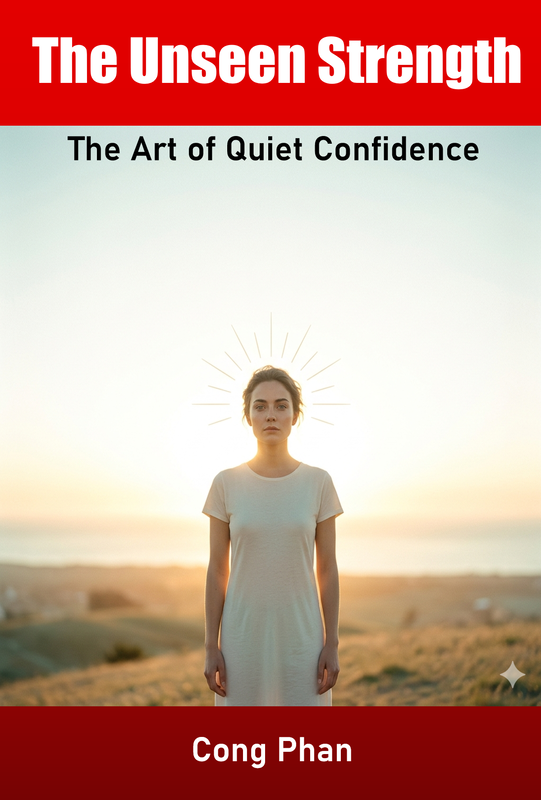
The Unseen Strength
The Art of Quiet Confidence

Chapter 1: The Essence of Quiet Confidence
Understanding Quiet Confidence
In a world often driven by visible success and external validation, understanding quiet confidence becomes essential for young adults navigating their personal and professional lives. Quiet confidence is not about being the loudest voice in the room or seeking attention; instead, it embodies a deep-seated self-awareness and acceptance. This type of confidence allows individuals to stand firmly in their identity without the need for flashy displays or societal approval. It is the art of knowing who you are and embracing that truth without the pressure to showcase it constantly.
At the heart of quiet confidence lies authenticity. Maxime Lagacé’s notion that "there’s no need to show off when you know who you are" resonates deeply with those striving for a minimalist lifestyle. By prioritizing simplicity and authenticity over material possessions, young professionals can cultivate a sense of fulfillment rooted in their values rather than societal expectations. This shift in perspective not only enhances self-identity but also encourages individuals to make choices that reflect their true selves, fostering an inner strength that is resilient and unwavering.
Mindfulness and meditation play a crucial role in nurturing quiet confidence. These practices encourage individuals to be present, fostering self-acceptance and helping them navigate their thoughts and emotions without judgment. By developing emotional intelligence, young adults can cultivate empathy for themselves and others, creating a foundation for genuine connections. This self-awareness allows them to manage stress and anxiety, transforming challenges into opportunities for growth, which is vital in today's fast-paced environment.
Moreover, embracing quiet confidence means rejecting the need for validation through social media or superficial status symbols. A social media detox can be liberating, allowing individuals to focus on their inner journey rather than the curated lives of others. This break from online comparisons enables a deeper exploration of self-expression, in which true self-worth is derived from within rather than from likes or followers. As young adults engage in this self-exploration, they can discover a more profound sense of purpose and direction in their lives.
In conclusion, quiet confidence is a powerful tool for personal development and authentic leadership. By fostering a mindset of humility and resilience, individuals can navigate their paths with grace and integrity. As they embrace their true selves and prioritize value-driven choices, they not only enhance their own lives but also inspire those around them. Quiet confidence is not just a personal journey; it is a movement toward a more authentic and fulfilling existence for everyone involved.
The Power of Self-Awareness
Self-awareness is the cornerstone of quiet confidence, a powerful tool that allows individuals to navigate life with authenticity and purpose. When you truly know who you are, there’s no need to seek validation through material possessions or social accolades. This understanding leads to a sense of freedom, enabling you to embrace simplicity and appreciate the beauty of your own journey without the distractions of societal expectations. It cultivates a mindset that values inner strength over superficial appearances, fostering a genuine connection with oneself and the world around you.
In a society often driven by consumerism and the pressure to showcase a perfect life, self-awareness provides a refreshing counterbalance. It encourages young adults and emerging professionals to focus on what is truly important: their values, passions, and aspirations. By stepping away from the constant need for external validation, individuals can engage in more meaningful self-reflection and develop resilience against the noise of social media. This shift in perspective empowers a new generation to prioritize personal growth over fleeting trends, leading to a more fulfilling existence.
Mindfulness and meditation play significant roles in enhancing self-awareness. These practices encourage individuals to be present in the moment and cultivate self-acceptance. When you learn to observe your thoughts and feelings without judgment, you create space for genuine self-expression. This process not only nurtures emotional intelligence but also strengthens your ability to empathize with others, fostering deeper relationships built on authenticity and trust.
Moreover, self-awareness is key to authentic leadership. As you grow in understanding your strengths and weaknesses, you become better equipped to lead with integrity and humility. The power of quiet confidence lies in your ability to inspire others through your actions rather than through loud proclamations. This form of leadership resonates with those around you, creating an environment where everyone feels valued and empowered to contribute their unique perspectives.
Ultimately, the journey of self-discovery is ongoing and deeply personal. By embracing self-awareness, young adults can cultivate their inner strength and resilience, enabling them to face challenges with grace and confidence. As you learn to appreciate your unique identity and express it authentically, you not only enrich your own life but also inspire others to embark on their journeys toward self-realization. In this way, self-awareness becomes an unseen strength that transforms not just individuals, but entire communities.
Chapter 2: Embracing Simplicity
The Minimalist Mindset
In a world that often equates success with material possessions and social status, the minimalist mindset offers a refreshing perspective. It encourages individuals, especially young adults and emerging professionals, to prioritize simplicity and authenticity over the relentless pursuit of consumer goods. This mindset is rooted in the belief that true confidence comes from within rather than from external validation or the accumulation of wealth. By embracing minimalism, we can focus on what truly matters: our values, passions, and relationships.
Practicing minimalism means cultivating self-awareness and understanding what brings genuine joy and fulfillment. It invites us to engage in mindfulness, allowing us to connect with the present moment and appreciate life’s simple pleasures. As we shed excess distractions, we create space for deeper self-reflection and personal growth. This journey fosters quiet confidence, where we learn to trust ourselves and our choices rather than seeking approval from others.
The minimalist approach also aligns with the principles of anti-consumerism, advocating for value-driven choices that reflect our true selves. It challenges societal pressure to flaunt status symbols and instead promotes integrity and authenticity in our lives and careers. By adopting this mindset, we can become authentic leaders, inspiring others through our example of humility and genuine strength.
Moreover, the minimalist mindset invites us to detox from social media, encouraging a break from the constant need to showcase our lives online. This digital detox allows us to focus on real-life connections and experiences, fostering emotional intelligence and empathy toward ourselves and others. As we step away from the noise of social validation, we can cultivate a clearer sense of identity and self-expression.
Ultimately, embracing a minimalist mindset builds resilience and inner strength. By overcoming the challenges of societal expectations and the pressure to conform, we reinforce our self-identity and confidence. This journey toward simplicity and authenticity not only transforms our lives but also empowers us to lead with quiet confidence, inspiring others to do the same. In a world that often overlooks the beauty of simplicity, the minimalist mindset reminds us that true strength lies in knowing who we are and living accordingly.
Authentic Living: Beyond Materialism
In a world that often equates success with material possessions, authentic living offers a refreshing alternative. It challenges the notion that our worth is tied to what we own or display. By embracing simplicity and focusing on our true selves, we can cultivate a life that resonates with our values and passions. This journey toward authenticity requires us to look beyond the superficial and to seek fulfillment in experiences and connections rather than in things.
Mindfulness plays a crucial role in this process. By practicing present-moment awareness, we learn to appreciate the richness of our lives without the distractions of consumerism. This self-acceptance fosters a sense of inner confidence that cannot be shaken by the latest trends or societal expectations. When we invest time in understanding ourselves, we become more resilient and better equipped to navigate life's challenges, allowing us to grow stronger from adversity.
Moreover, the impact of social media cannot be overlooked. In a culture obsessed with showcasing curated lives, taking a break from online validation can be liberating. A social media detox encourages us to shift our focus inward, fostering genuine self-expression and emotional intelligence. This detachment from the digital realm allows us to reconnect with our true selves and priorities, emphasizing authenticity over appearances.
Authentic leadership emerges from this foundation of self-awareness and humility. Leaders who prioritize integrity and genuine connection inspire others to embrace their true selves. By modeling quiet confidence, they create environments in which individuals can thrive without the pressure to conform to external expectations. This type of leadership not only fosters trust but also cultivates a culture of resilience and collaboration.
Ultimately, embracing an authentic lifestyle is a continuous journey. It requires courage to resist societal pressures and to redefine success on our own terms. As we learn to value our inner strengths and cultivate meaningful relationships, we find a sense of peace that transcends the fleeting satisfaction of materialism. Authentic living is not just a choice; it is a commitment to understanding who we are and expressing that truth in every aspect of our lives.
Chapter 3: The Journey Within
Cultivating Self-Acceptance
In a world saturated with opinions and external validations, cultivating self-acceptance stands as an essential pillar for young adults navigating various life challenges. It requires a deep sense of self-awareness and a commitment to embracing one’s authentic self. The journey toward self-acceptance isn’t about conforming to societal expectations, but rather about understanding our true identities and valuing our unique qualities. This realization fosters an inner confidence that is resilient and unshakeable, enabling us to stand firm in our beliefs and choices.
Mindfulness plays a crucial role in this journey. By practicing present-moment awareness, we can quiet the mind’s incessant chatter and tune into our inner voices. This practice encourages us to reflect on our experiences without judgment, helping us appreciate who we are beyond our accomplishments or material possessions. When we become mindful, we learn to acknowledge our feelings and thoughts, paving the way for a more profound acceptance of ourselves. The art of quiet confidence blossoms in this space of self-reflection, allowing us to shine without the need for loud affirmations.
In an age where social media often skews perceptions of identity and success, a detox from these platforms can be liberating. Stepping back allows us to disengage from the constant comparison and the pressure to showcase a curated life. This break provides the clarity needed to identify our values and priorities, free from the noise of consumerism and superficial validation. By focusing on what truly matters—our growth, relationships, and passions—we reinforce our self-acceptance and recognize that our worth is not defined by likes or followers.
Embracing authenticity also means leading with integrity. As emerging professionals and students, our ability to express our true selves can inspire others and foster genuine connections. Authentic leadership emphasizes humility and encourages us to share our stories, including our struggles and triumphs. By leading from a place of self-acceptance, we not only empower ourselves but also cultivate an environment where others feel safe to express their true selves, enhancing emotional intelligence within our communities.
Ultimately, cultivating self-acceptance is a lifelong journey that requires resilience and inner strength. It challenges us to face our fears, embrace our imperfections, and celebrate our unique paths. As we grow to accept ourselves, we become better equipped to navigate life's uncertainties with quiet confidence. This journey isn't about perfection; it's about progress and the courage to stand firm in our identities. Embracing who we are allows us to move through the world with grace and authenticity, illuminating the path for others to do the same.
Mindfulness and Present-Moment Awareness
In a world that constantly demands our attention and validation, mindfulness and present-moment awareness have emerged as powerful tools for young adults navigating their personal and professional lives. By fostering a deep connection with the present, individuals can cultivate a sense of peace and clarity amidst the chaos. This practice encourages us to pause, breathe, and engage with our surroundings, allowing us to appreciate the beauty of simplicity and authenticity that Maxime Lagacé speaks about in his philosophy of minimalist living.
Mindfulness is not just about meditation; it's about developing an awareness of our thoughts, feelings, and sensations in real time. For students and emerging professionals, this can translate to enhanced focus and productivity. By grounding ourselves in the moment, we can make more intentional choices, prioritizing actions that align with our core values rather than societal pressures. This shift toward self-awareness empowers us to express our true selves, cultivating a quiet confidence that shines without the need for external validation.
The impact of mindfulness extends beyond personal growth; it shapes our relationships and interactions with others. When we practice present-moment awareness, we increase our emotional intelligence, fostering empathy and understanding. This leads to authentic leadership, as we become more attuned to the needs of those around us. In a professional setting, this can manifest as a collaborative spirit, where humility and integrity take precedence over competition and superficial displays of success.
In a society driven by consumerism, mindfulness serves as a counterbalance, encouraging us to reflect on our choices and seek fulfillment beyond material possessions. Embracing a minimalist approach allows us to prioritize experiences and connections over status symbols, leading to a more meaningful existence. This journey toward anti-consumerism is not merely about reducing clutter but about enhancing our self-identity and self-expression, enabling us to truly understand who we are and what we stand for.
Ultimately, cultivating mindfulness and present-moment awareness equips us with the resilience and inner strength needed to overcome life's challenges. It teaches us to face difficulties with grace and confidence, recognizing that true strength lies not in boasting but in quiet assurance. As young adults, by integrating these practices into our daily lives, we can foster a sense of calm and purpose, enabling us to navigate our paths with unwavering self-assurance and authenticity.
Chapter 4: The Strength of Humility
Redefining Strength
Redefining strength is an introspective journey that invites us to look beyond the traditional metrics of power and success. In a world that often equates strength with visibility and assertiveness, true strength lies in a quiet confidence that emanates from self-awareness and authenticity. This kind of strength is not loud; it does not demand attention or validation from others. Instead, it is rooted in knowing who you are and embracing your unique qualities without the need for external approval.
Young adults and emerging professionals are often caught in the whirlwind of societal expectations, where showcasing achievements on social media can become a measure of worth. However, taking a step back to evaluate one’s values can lead to a more profound understanding of what it means to be strong. Emphasizing simplicity and authenticity over material possessions allows individuals to reclaim their narratives, fostering an environment where humility and understated strength prevail. In this space, resilience is built not just through accolades, but through the courage to be oneself.
Mindfulness and meditation play pivotal roles in this redefinition of strength. By cultivating present-moment awareness, individuals can develop a deeper sense of self-acceptance. This journey toward inner confidence encourages the understanding that strength is often found in vulnerability. When we accept our flaws and insecurities, we create a foundation for emotional intelligence that enriches our interactions with others, allowing us to lead with empathy and authenticity.
Moreover, the principles of anti-consumerism challenge us to prioritize value-driven choices over the allure of status symbols. In a culture that often glorifies the superficial, embracing a lifestyle that reflects integrity and purpose can be a radical act of strength. Authentic leadership emerges from this mindset, where leaders inspire others not through dominance, but through genuine connections and the courage to be transparent about their journeys.
Ultimately, redefining strength is about aligning one’s actions with their true self. It involves a commitment to self-identity and self-expression that transcends societal pressures. As we navigate our paths, let us remember that the quiet confidence we cultivate in our lives can serve as a beacon for others, encouraging them to embrace their own journeys of resilience and authenticity. In doing so, we not only transform ourselves but also inspire a collective movement toward a more empathetic and aware society.
The Role of Understatement
In a world often dominated by loud voices and flashy displays, the role of understatement becomes increasingly significant. Living with quiet confidence means embracing who you are without the need for grand gestures or ostentation. This approach reflects a deep understanding of yourself, allowing for genuine self-expression that resonates with authenticity. By prioritizing simplicity and authenticity over material possessions, individuals can cultivate a sense of inner strength that is both resilient and admirable.
Understatement is not about minimizing one’s accomplishments, but rather about celebrating them in a way that feels true to oneself. When you acknowledge your successes without the need for external validation, it fosters a powerful sense of self-awareness. This allows you to connect with others on a deeper level, as you demonstrate emotional intelligence and empathy. In a society often obsessed with status and image, those who embody quiet confidence can inspire others to appreciate the value of humility and groundedness.
Moreover, in personal development, the art of understatement encourages mindfulness and present-moment awareness. When you focus less on how you are perceived and more on your personal journey, you cultivate a mindset that appreciates the beauty of simplicity. This shift not only enhances your self-identity but also promotes a healthier relationship with the external world, encouraging a break from the continuous validation sought through social media.
Authentic leadership is another area where understatement shines. Leaders who demonstrate quiet confidence often prioritize integrity over image, fostering trust and respect among their teams. They lead by example, showing that true strength lies in vulnerability and authenticity. By valuing substance over style, such leaders can create an environment that encourages open communication and collaboration, paving the way for innovative ideas and resilient teams.
Ultimately, embracing the role of understatement allows young adults, students, and emerging professionals to build a foundation of quiet confidence. By focusing on self-acceptance and value-driven choices, you can navigate life’s challenges with grace. This journey emphasizes the importance of knowing who you are and standing firmly in that identity, providing a powerful counter-narrative to the noise of consumerism and superficiality that often surrounds us.
Chapter 5: Value-Driven Choices
Understanding Anti-Consumerism
In a world increasingly driven by consumerism, understanding anti-consumerism offers a refreshing perspective for young adults navigating their identities. This philosophy encourages individuals to reflect on their values and motivations rather than succumbing to societal pressures to acquire material possessions. It emphasizes the importance of self-awareness and authenticity, allowing young people to cultivate a life enriched by meaningful experiences rather than superficial acquisitions. By prioritizing quality over quantity, individuals can forge deeper connections with themselves and the world around them.
Anti-consumerism challenges the narrative that self-worth is tied to what we own. It invites young adults to explore their identities beyond brand names and status symbols, fostering a sense of inner confidence that comes from knowing who they are. This journey of self-discovery plays a vital role in personal development, as it encourages individuals to seek fulfillment from within rather than through external validation. The idea is not to reject all forms of consumption but to make mindful choices that resonate with one’s values and aspirations.
As young professionals enter the workforce, the pressures to project a certain image can be overwhelming. However, embracing anti-consumerism can lead to a more authentic form of leadership. By modeling humility and integrity, they can inspire others to prioritize genuine connections over superficial impressions. This approach aligns with the principles of quiet confidence, where strength is found in understated actions and sincere interactions rather than loud displays of success.
Mindfulness and meditation play crucial roles in this journey toward anti-consumerism. By fostering present-moment awareness, individuals can cultivate self-acceptance and resilience. This mental clarity allows them to discern what truly matters in their lives, enabling them to resist the urge to conform to societal expectations. The practice of stepping back from the noise of consumer culture opens the door to a life filled with intentional choices that reflect one’s true self.
Ultimately, the path to understanding anti-consumerism is a transformative journey toward emotional intelligence and self-expression. It encourages young adults to embrace their uniqueness and develop their inner strength. By stepping away from the relentless pursuit of validation through consumption, they can discover a more fulfilling and authentic way of living. This shift not only enriches their own lives but also contributes to a more mindful and compassionate society.
Making Meaningful Choices
In a world increasingly driven by external validation and material possessions, making meaningful choices becomes a powerful act of self-assertion. Young adults and emerging professionals often find themselves at a crossroads, caught between societal expectations and their personal values. Embracing simplicity and authenticity can lead to a profound sense of inner confidence, allowing individuals to navigate life with purpose. As Maxime Lagacé aptly stated, "There’s no need to show off when you know who you are," encouraging a journey of self-discovery and genuine self-expression.
Mindfulness plays a crucial role in this journey, as it fosters present-moment awareness and self-acceptance. By practicing mindfulness, individuals can learn to silence the noise of social media and societal pressures, focusing instead on what truly matters to them. This practice cultivates emotional intelligence, enabling young people to understand their emotions and those of others better. As they become more attuned to their inner selves, they can make choices that resonate with their values rather than conforming to fleeting trends or external expectations.
Quiet confidence emerges when individuals prioritize integrity over status symbols. Authentic leadership stems from this inner strength, where leaders inspire others not through bravado but through humility and authenticity. Young professionals who embody this quiet confidence are not only more resilient in the face of challenges, but also serve as role models for their peers. They demonstrate that true strength lies not in loud declarations but in the steady, unwavering commitment to one’s principles and values.
Moreover, the anti-consumerism movement urges individuals to reassess their priorities and make value-driven choices. By choosing experiences over possessions, young adults can cultivate a richer life filled with meaningful connections and personal growth. This shift away from materialism not only enhances individual well-being but also contributes to a more sustainable and compassionate society. Such choices reflect a deep understanding of self-identity and a commitment to living authentically, free from the shackles of societal expectations.
Ultimately, making meaningful choices is a journey of resilience and self-discovery. It requires courage to step away from the allure of external validation and embrace one’s true self. As young adults embark on this path, they will find that their quiet confidence empowers them to navigate life’s complexities with grace and strength. In doing so, they not only transform their own lives but also inspire those around them to seek authenticity and purpose in their choices.
Chapter 6: Authentic Leadership
Leading with Integrity
Leading with integrity is an essential quality for anyone aspiring to become a leader in their personal or professional life. It means being true to oneself and maintaining a consistent set of values regardless of external pressures. For young adults and emerging professionals, this can be a guiding principle that not only shapes their character but also influences those around them. In a world that often values appearances and status over substance, leading with integrity allows individuals to stand out through their authenticity.
When we embrace integrity, we cultivate self-awareness and a deeper understanding of who we are. This journey of self-identity is crucial, especially for students and young professionals navigating the complexities of life and work. It encourages them to prioritize their values over the fleeting allure of material possessions and societal approval. By focusing on what truly matters, they can develop a quiet confidence that radiates strength without the need for showmanship.
Moreover, integrity fosters resilience and inner strength. In facing challenges or setbacks, individuals who lead with integrity are better equipped to respond with empathy and understanding. They recognize that their true worth is not tied to external validation or social media acclaim, but is rooted in their character and actions. This mindset not only helps them overcome obstacles but also inspires others to do the same.
Practicing mindfulness and self-acceptance further enhances the ability to lead with integrity. By being present and aware of their thoughts and feelings, young leaders can make decisions that align with their core values. This conscious approach to leadership promotes authenticity and encourages others to embrace their true selves, creating a supportive environment where everyone can thrive.
In summary, leading with integrity is about prioritizing authenticity, self-awareness, and resilience. It empowers young adults and emerging professionals to navigate their journeys with confidence while inspiring others to embrace their unique identities. As they forge their paths, they can champion value-driven choices and genuine leadership styles that prioritize integrity, paving the way for a more authentic world.
The Impact of Genuine Leadership
Genuine leadership stands as a beacon of hope and inspiration in a world often overshadowed by bravado and superficiality. Young adults today are navigating a complex landscape filled with social expectations and material pressures. However, leaders who embrace authenticity carve out a path grounded in self-awareness and integrity. This form of leadership fosters an environment where individuals feel valued for who they are rather than what they possess, encouraging a shift from external validation to internal confidence.
In the realm of personal development, genuine leaders inspire others to embark on their own journeys of self-discovery. They exemplify the importance of understanding one’s strengths and weaknesses and demonstrate that true confidence arises from knowing oneself. This journey often involves moments of vulnerability, in which leaders openly share their challenges and triumphs. By doing so, they create a culture of openness that empowers others to express their true selves, fostering resilience and a sense of belonging.
Moreover, genuine leadership is deeply intertwined with the principles of mindfulness and emotional intelligence. Leaders who practice self-acceptance and present-moment awareness are better equipped to empathize with others. They listen actively and respond thoughtfully, creating connections that transcend mere transactions. This emotional intelligence not only enhances team dynamics but also cultivates a supportive atmosphere where individuals can thrive without the fear of judgment.
In an age dominated by social media, the call for authenticity becomes even more critical. Many young people feel pressured to curate their lives for public consumption, often losing sight of their true identities. Genuine leaders encourage a social media detox, reminding their followers that self-worth should never hinge on likes or followers. Instead, they promote value-driven choices that prioritize meaningful connections over fleeting impressions, ultimately reinforcing the idea that one’s true strength lies in authenticity.
Finally, the impact of genuine leadership extends beyond individual growth; it has the power to shape communities. When leaders prioritize integrity and quiet confidence, they inspire others to embrace similar values. This ripple effect can lead to collective resilience, where groups support one another through challenges and celebrate one another’s successes. In this way, genuine leadership not only transforms individuals but also fosters a culture of authenticity and strength that resonates throughout society.
Chapter 7: Discovering Self-Identity
The Path to Self-Understanding
The journey to self-understanding begins with a commitment to self-awareness. In a world often driven by external validation and social media highlights, it is essential to turn inward and explore our own thoughts and feelings. By embracing mindfulness, we can begin to recognize patterns in our behavior and the motivations behind our actions. This awareness forms the foundation for discovering who we truly are beyond societal expectations and superficial markers of success.
As young adults navigating various life stages, we are frequently bombarded with messages that equate worth with achievement and material possessions. However, true self-understanding transcends these external measures. It requires us to strip away the noise and focus on what genuinely brings us joy and fulfillment. This process of simplification, akin to minimalist living, allows us to prioritize our values and align our actions with our authentic selves, fostering a sense of quiet confidence.
Moreover, the path to self-understanding is not always linear; it is often riddled with challenges and setbacks. Each obstacle presents an opportunity to build resilience and inner strength. By confronting our fears and insecurities, we not only learn more about ourselves but also develop the emotional intelligence necessary to navigate relationships with empathy and understanding. This growth ultimately contributes to a more profound sense of self-acceptance and confidence.
In a culture that often glorifies extroversion and loud displays of success, cultivating a sense of quiet confidence can feel countercultural. Yet, humility and authenticity are powerful strengths. Embracing who we are, imperfections and all, allows us to lead by example and inspire others. Authentic leadership is rooted in self-understanding; when we are true to ourselves, we empower those around us to do the same.
Finally, taking a step back from the constant noise of social media can significantly aid this journey. A social media detox encourages us to disconnect from the pressures of showcasing our lives for validation. Instead, it invites us to engage with the present moment and deepen our understanding of ourselves. By valuing experiences over appearances, we cultivate a lasting sense of self-worth that is unshakeable, nurturing the quiet confidence that comes from knowing and accepting ourselves fully.
Expressing Your True Self
In a world that often values external validation, expressing your true self can feel daunting. Yet the journey of self-discovery is not only liberating but essential for personal growth. Embracing authenticity means understanding who you are at your core, beyond the influences of social media and societal expectations. This process involves peeling away the layers of expectations and pressures to reveal the person within, allowing your true essence to shine through.
Quiet confidence stems from this authenticity; it is the assurance that comes from knowing your worth without the need for validation from others. Maxime Lagacé's words remind us that there’s no need to show off when you know who you are. This confidence is not about arrogance or showcasing achievements but rather a humble acknowledgment of your strengths and values. When you cultivate self-awareness, you begin to navigate life with a sense of purpose that is reflective of your true self.
Mindfulness and meditation are powerful tools in this journey. By practicing present-moment awareness, you can learn to accept yourself as you are, fostering a sense of peace and self-acceptance. This practice encourages you to listen to your inner voice, guiding you toward choices that resonate with your authentic self rather than those driven by external pressures or desires for material possessions. In a society that often glorifies consumerism, stepping back to evaluate what truly matters can lead to profound insights into your identity and values.
As you embrace your true self, consider the impact of your choices on others and the world around you. Authentic leadership, which prioritizes integrity and genuine connections, is rooted in self-knowledge. When you lead with humility and respect for yourself and others, you inspire those around you to do the same. This fosters an environment where everyone can feel valued for who they are, creating a ripple effect of quiet confidence and resilience.
Finally, taking a break from social media can be a liberating step toward self-expression. Disconnecting from the constant comparison and validation-seeking that platforms often promote allows you to focus inward. In this space, you can cultivate emotional intelligence, learning not only to understand yourself but also to empathize with others. By nurturing your inner strength and resilience, you pave the way for a life lived authentically, where expressing your true self becomes your greatest strength.
Chapter 8: Building Resilience
Overcoming Challenges
Overcoming challenges is an essential part of personal growth, especially for young adults navigating the complexities of life. Each obstacle presents an opportunity to learn more about ourselves and develop resilience. Embracing these challenges allows us to cultivate a quiet confidence that stems from understanding our strengths and weaknesses. Rather than seeking validation through external means, we can find empowerment in our ability to face difficulties head-on and emerge stronger than before.
The journey of self-discovery often involves moments of discomfort and uncertainty. It is in these moments that we must practice mindfulness, reminding ourselves to stay present and accept our circumstances without judgment. This practice not only enhances our emotional intelligence but also fosters a deeper connection with our true selves. By acknowledging our feelings and experiences, we can transform challenges into stepping stones toward authentic self-expression.
As we confront the pressures of societal expectations, it’s crucial to remember that our worth is not determined by material possessions or social status. Adopting an anti-consumerism mindset allows us to focus on what truly matters—our values, relationships, and passions. By prioritizing integrity over appearances, we can lead with authenticity and inspire others to embrace their own unique paths. This shift in perspective empowers us to overcome the fear of judgment and embrace our individuality.
Resilience is cultivated through experience and reflection. Each challenge we face serves as a test of our inner strength, pushing us to adapt and grow. By sharing our stories of struggle and triumph, we connect with others on a deeper level, fostering a sense of community and support. This communal spirit reinforces the idea that we are not alone in our endeavors, and that together we can navigate the complexities of life with grace and confidence.
Ultimately, overcoming challenges is about embracing our journey with humility and grace. It is about recognizing that true strength lies not in loud declarations but in quiet perseverance. As we learn to trust ourselves and our abilities, we become beacons of inspiration for those around us. By embodying the principles of mindfulness, self-awareness, and authenticity, we pave the way for a more fulfilling and resilient future, both for ourselves and for the generations to come.
The Role of Inner Strength
Inner strength is a profound quality that resides within each individual, often unnoticed yet immensely powerful. It is the quiet confidence that allows one to navigate the complexities of life without the need for external validation. This strength is cultivated through self-awareness and a deep understanding of one’s values, facilitating a lifestyle that prioritizes authenticity over materialism. In a world that often equates success with possessions and appearances, recognizing and embracing inner strength can lead to a more fulfilling existence.
The journey to discovering inner strength is closely tied to mindfulness and the practice of self-acceptance. By being present in the moment, individuals can learn to appreciate their unique qualities and acknowledge their imperfections. This acceptance fosters resilience, allowing individuals to rise above challenges without losing sight of their true selves. When one learns to embrace their authenticity, they become empowered to express their identity freely, unhindered by societal pressures or the need to conform.
Moreover, inner strength is a crucial component of effective leadership. Authentic leaders inspire others by demonstrating integrity and humility. They understand that true influence comes not from authority or status but from genuine connections and shared values. This type of leadership emphasizes service over self-promotion, creating an environment where individuals feel valued and motivated to contribute their best selves.
In today’s digital age, the pressure to showcase an idealized version of life on social media can be overwhelming. However, taking a step back to detox from this constant need for validation allows individuals to reconnect with their inner strength. By focusing on real-life experiences and nurturing personal growth, one can cultivate emotional intelligence, enhancing self-awareness and empathy toward others. This shift from external validation to internal fulfillment is essential for building lasting confidence.
Ultimately, the role of inner strength in one’s life is about embracing simplicity and authenticity. When individuals prioritize their values and invest in personal development, they unlock the potential for a life rich in meaning and purpose. This journey toward quiet confidence not only shapes their own identity but also encourages others to find their strength within, creating a ripple effect of empowerment and resilience in the community.
Chapter 9: The Social Media Detox
Breaking the Cycle of Validation
In a world where external validation often dictates our self-worth, breaking free from this cycle becomes essential for personal growth. Young adults and emerging professionals frequently find themselves trapped in the pursuit of likes and approval, particularly in the age of social media. Recognizing that true confidence stems from within allows individuals to embrace their authentic selves without the need for constant reassurance from others. This journey toward self-discovery is crucial for fostering genuine relationships and achieving personal fulfillment.
Understanding the importance of self-awareness is vital in overcoming the need for external validation. By cultivating mindfulness, we can learn to appreciate our own thoughts and feelings without the interference of societal pressures. This means taking time to reflect and meditate, allowing ourselves to connect deeply with our inner thoughts. As we develop this awareness, we begin to recognize the values that truly resonate with us, moving beyond the superficial markers of success that often define our generation.
Moreover, adopting a minimalist approach to life can significantly aid in breaking the cycle of validation. Emphasizing simplicity and authenticity over material possessions creates space for inner strength to flourish. By prioritizing experiences and personal growth over the accumulation of status symbols, young people can shift their focus from comparison to self-expression. This not only enhances their sense of identity but also encourages a more meaningful existence rooted in genuine connections.
Quiet confidence emerges as a powerful tool in this transformative process. It teaches us that humility and understated strength can be more impactful than overt displays of success. As we learn to lead with integrity and authenticity, we inspire others to do the same. This creates a ripple effect, encouraging a culture where personal achievements are celebrated for their merit rather than their visibility, fostering an environment of support rather than competition.
Finally, embracing resilience and inner strength is key to navigating the challenges that come with breaking the cycle of validation. Each setback presents an opportunity for growth, teaching us to value our journey rather than the opinions of others. By practicing emotional intelligence and fostering self-acceptance, we empower ourselves to step away from the digital spotlight. This shift allows us to focus on what truly matters: being present, nurturing our passions, and living a life that reflects our authentic selves.
Finding Connection Offline
In a world dominated by digital interactions, finding connection offline has become a profound necessity. Many young adults and emerging professionals are discovering that true relationships are cultivated through face-to-face experiences rather than through the screens of their devices. Engaging in real conversations fosters a deeper understanding of one another, allowing for genuine connections that are often absent in online communications. This shift back to authenticity emphasizes the importance of being present and aware in our interactions with others.
Mindfulness plays a crucial role in establishing these connections. By practicing present-moment awareness, individuals can truly listen and engage with those around them. When we take the time to put our phones away and focus on the people in front of us, we create space for meaningful exchanges. This practice not only enhances our social skills but also builds our emotional intelligence, allowing us to empathize and connect on a deeper level.
Authentic leadership arises from these genuine connections. The ability to lead with integrity and humility is rooted in understanding oneself and others. When we prioritize relationships over status symbols, we cultivate environments that encourage collaboration and resilience. Young professionals can benefit from this approach by fostering workplaces where authenticity is valued, leading to stronger teams and greater innovation.
Moreover, stepping away from the constant barrage of social media allows individuals to rediscover their true selves. The pressure to showcase a curated life online can be overwhelming, often detracting from our self-identity and personal growth. By embracing a social media detox, young adults can focus on their inner strengths and develop quiet confidence, recognizing their worth beyond external validation.
Ultimately, finding connection offline is an essential journey toward self-awareness and personal development. It encourages us to live more simply, embracing authenticity over materialism. As we connect with others in meaningful ways, we not only enhance our own lives but also contribute to a more compassionate and understanding society, where everyone feels valued for who they are.
Chapter 10: Cultivating Emotional Intelligence
The Importance of Self-Awareness
Self-awareness is the foundation of personal growth and authentic living. In a world filled with distractions and societal pressures, understanding who you are can lead to greater confidence and resilience. When you are self-aware, you can navigate life's challenges with clarity and purpose, rather than allowing external influences to dictate your choices. This inner understanding fosters a quiet confidence, allowing you to embrace your true self without the need for validation from others.
The journey of self-discovery is essential for young adults and emerging professionals. By taking the time to reflect on your values, beliefs, and aspirations, you cultivate a deeper connection to your authentic self. This process encourages mindfulness and present-moment awareness, enabling you to recognize your strengths and limitations. As you become more attuned to your emotions, you also develop greater emotional intelligence, which is vital for building meaningful relationships in both personal and professional settings.
In our consumer-driven society, self-awareness acts as a counterbalance to the pressure of showcasing a curated life on social media. The urge to conform to external standards can cloud your judgment and lead to a sense of inadequacy. By prioritizing self-identity and self-expression over material possessions, you can make value-driven choices that align with your true self. This shift in perspective not only fosters inner strength but also empowers you to lead authentically, prioritizing integrity over superficiality.
As you cultivate self-awareness, it’s important to practice self-acceptance and compassion. This means recognizing that everyone faces challenges and that it’s okay to be vulnerable. Embracing your imperfections allows you to develop resilience, as you learn to view setbacks as opportunities for growth rather than failures. In this way, self-awareness becomes a powerful tool for personal development, enabling you to approach life with humility and an open heart.
Ultimately, the importance of self-awareness lies in its ability to guide you toward a fulfilling and authentic life. By understanding who you are and what you stand for, you can navigate the complexities of adulthood with grace. This journey not only enhances your quiet confidence but also inspires others to embark on their own paths of self-discovery, creating a ripple effect of authenticity and strength in your community.
Enhancing Empathy and Connection
In a world where distractions abound and superficial connections often take precedence, enhancing empathy and connection is essential for fostering meaningful relationships. Empathy allows us to step into another’s shoes and experience the world through their perspective. This ability not only enriches our interactions but also strengthens our inner confidence, as we learn to appreciate the diverse experiences that shape each individual’s journey. By cultivating empathy, we open ourselves up to deeper connections that transcend the surface-level exchanges often found in today’s fast-paced society.
Mindfulness plays a crucial role in developing empathy and connection. By practicing mindfulness and being fully present in our interactions, we can truly listen to and understand what others are expressing. This attentiveness cultivates a sense of authenticity in our relationships, encouraging us to engage with others from a place of sincerity rather than pretense. When we embrace mindfulness, we not only enhance our emotional intelligence but also create an environment where others feel safe to express themselves, leading to more profound and lasting connections.
Moreover, embracing a minimalist lifestyle can significantly enhance our ability to connect with others. By prioritizing simplicity and authenticity over material possessions, we free ourselves from the pressures of consumerism and status symbols. This shift allows us to focus on what truly matters—our relationships and experiences. When we let go of the need to impress or showcase our lives, we can engage more authentically with those around us, fostering genuine connections built on shared values and mutual understanding.
The journey of self-identity and self-expression is also intertwined with our capacity for empathy. As we work on understanding ourselves, we become more capable of appreciating the complexities of others. This self-awareness not only nurtures our inner strength but also enables us to respond to others with compassion and kindness. The more we embrace our own vulnerabilities, the more we can empathize with the struggles of those around us, creating a supportive network where individuals feel valued and understood.
Finally, taking a step back from social media can be a transformative practice for enhancing empathy and connection. By detoxing from the constant barrage of curated images and highlight reels, we can focus on the richness of our real-life interactions. This break allows us to engage with others on a deeper level, fostering genuine relationships that are not based on likes or followers but on authentic human experiences. In this way, we can cultivate a community built on empathy, connection, and a shared sense of purpose, ultimately leading to a more fulfilling and confident life.
Chapter 11: The Art of Quiet Confidence in Action
Real-Life Examples of Quiet Confidence
In a bustling city, a young woman named Maya navigates her career as a graphic designer. While her colleagues often boast about their latest projects and accolades, Maya quietly excels in her work without the need for external validation. Her confidence shines through her ability to listen and collaborate, allowing her to create stunning designs that speak for themselves. This understated approach has not only earned her respect among her peers but has also led to significant opportunities in her field, showcasing how quiet confidence can lead to success without the need for loud proclamations.
Similarly, consider the story of Raj, a college student who has always been more comfortable in the background than in the spotlight. Instead of participating in numerous extracurricular activities to boost his resume, Raj chooses to focus on his studies and personal growth. He practices mindfulness and meditation, cultivating a deep sense of self-awareness that allows him to approach challenges with resilience. When he finally presents his thesis, it is met with admiration, not because he sought attention, but because his authentic passion and quiet dedication shine through.
In the realm of leadership, the example of Sarah, a manager at a tech startup, illustrates the power of authentic leadership. Rather than adopting a flashy leadership style, she leads by example, prioritizing her team's well-being and encouraging open dialogue. Sarah believes that true confidence comes from understanding and uplifting others, which fosters a strong culture of collaboration and innovation. Her team feels valued and empowered, demonstrating that quiet confidence can create an environment where everyone thrives.
On the flip side, the impact of social media can often lead young adults to feel the pressure to showcase their lives for validation. However, individuals like Jason, who consciously takes breaks from social media, discover the beauty of self-acceptance and the importance of living in the moment. By stepping away from the constant comparison and external noise, Jason cultivates a stronger sense of self-identity, allowing his natural strengths to emerge without the clutter of online personas.
These real-life examples illustrate that quiet confidence is not about being the loudest voice in the room but rather about knowing who you are and staying true to your values. Whether through personal growth, authentic leadership, or mindful living, embracing a life of simplicity and authenticity can lead to profound connections and lasting success. As young adults navigate their paths, let these stories serve as a reminder that true strength lies in humility and self-awareness, inviting them to embrace their own journeys with quiet confidence.
Integrating Quiet Confidence into Daily Life
Integrating quiet confidence into daily life begins with self-awareness. Knowing who you are at your core allows you to navigate the world with authenticity. Instead of seeking external validation, you can cultivate a sense of inner strength that is unshakeable. This self-knowledge acts as a foundation, enabling you to remain grounded in your values while facing challenges without feeling the need to showcase your achievements or possessions. It’s about embracing simplicity and focusing on what truly matters.
Mindfulness practices can greatly enhance your ability to embody quiet confidence. Taking time to meditate or reflect can help you stay present and accept yourself as you are. This practice not only fosters self-acceptance but also promotes emotional intelligence, allowing you to understand your feelings and the emotions of others. When you are centered in the present moment, you can respond to situations with clarity and calm rather than reacting out of insecurity or a desire for approval.
In daily interactions, embodying quiet confidence means practicing humility. You don’t have to dominate conversations or always be in the spotlight to make an impact. Instead, listen actively and engage with others genuinely. This approach fosters deeper connections and shows that you value others’ contributions. Authentic leadership emerges from this kind of interaction, where integrity and respect form the basis of your relationships. You lead by example, demonstrating that strength can be subtle yet powerful.
Moreover, embracing a lifestyle that prioritizes value-driven choices over material possessions can further enhance your quiet confidence. In a world that often promotes consumerism, opting for simplicity and authenticity allows you to align your actions with your beliefs. This shift not only reduces external pressures but also reinforces your self-identity. By focusing on what truly enriches your life, you become less susceptible to the need for social validation, particularly from social media.
Finally, resilience plays a critical role in integrating quiet confidence into your life. Embrace challenges as opportunities for growth rather than setbacks. Each experience, whether positive or negative, contributes to your journey of self-discovery. By overcoming obstacles, you build a stronger sense of self, which is essential in fostering quiet confidence. Remember, it’s not about being the loudest voice in the room; it’s about knowing your worth and expressing it authentically, allowing your inner strength to shine through.
Chapter 12: A Call to Action
Embracing Your Journey
Life is a journey filled with twists and turns, and embracing this journey is essential for personal growth. As young adults, we often feel the pressure to conform to societal expectations, leading us to chase after material possessions and superficial validation. However, true strength lies in understanding who we are and what we value. By prioritizing authenticity over external approval, we can cultivate a sense of quiet confidence that empowers us to navigate our paths with clarity and purpose.
Mindfulness and self-awareness are crucial components in embracing our journey. Taking the time to reflect on our experiences helps us understand our emotions and motivations. Practicing mindfulness encourages us to focus on the present moment, allowing us to appreciate our progress without getting lost in the distractions of comparison. This self-acceptance fosters resilience, enabling us to bounce back from setbacks and view challenges as opportunities for growth rather than obstacles.
In a world dominated by social media, it’s important to recognize the impact of showcasing our lives online. The constant need for validation can detract from our authentic selves. A social media detox can be a liberating experience, allowing us to reconnect with our inner thoughts and feelings. By stepping back from the noise, we can focus on what truly matters: our personal development and the relationships that enrich our lives.
Quiet confidence is often misunderstood. It is not about being loud or flashy, but rather about embodying humility and strength in our actions. This authentic leadership style fosters genuine connections with others, encouraging empathy and understanding. When we lead with integrity, we inspire those around us to embrace their own journeys, creating a ripple effect of positive change in our communities.
Ultimately, embracing our journey means celebrating our unique paths and the lessons we learn along the way. By understanding our self-identity and expressing it authentically, we become more resilient and empowered individuals. The journey is not about reaching a destination, but about learning, growing, and becoming the best version of ourselves. Let us embrace our journeys with open hearts and minds, knowing that our strength lies within us.
Inspiring Others with Your Quiet Strength
In a world often dominated by loud voices and flashy displays, quiet strength serves as a powerful yet understated force. It embodies the essence of knowing who you are without feeling the need to prove it to others. Young adults and emerging professionals can draw inspiration from this concept, recognizing that authenticity and simplicity often resonate more deeply than any status symbol. By embracing quiet confidence, individuals can cultivate an inner resilience that shines through in their actions and interactions, inspiring others without uttering a word.
Authenticity is the cornerstone of quiet strength. When you prioritize self-awareness and self-acceptance, you naturally radiate a sense of purpose and clarity. This authenticity not only enhances your personal development but also influences those around you. As you express your genuine self, you create a space for others to do the same, fostering a community of support and understanding. This ripple effect of authenticity can transform relationships, encouraging deeper connections based on mutual respect and shared values.
Mindfulness and present-moment awareness play integral roles in nurturing quiet strength. By practicing mindfulness, you become more attuned to your emotions and the needs of others. This heightened sense of emotional intelligence allows you to lead with empathy and compassion, qualities that inspire trust and admiration. When you approach challenges with a calm and focused mindset, you demonstrate resilience that not only enhances your own confidence but also motivates those around you to adopt a similar perspective.
In a society increasingly obsessed with consumerism and social media validation, the ability to lead authentically becomes even more critical. Opting for value-driven choices over material possessions or online accolades empowers you to live a life aligned with your true self. This anti-consumerist approach resonates with young adults seeking fulfillment beyond superficial measures. By sharing your journey toward authenticity and simplicity, you encourage others to reflect on their own values and choices, inspiring a collective movement toward a more meaningful existence.
Ultimately, inspiring others with your quiet strength involves a commitment to resilience and genuine expression. As you navigate the complexities of life, remember that your calm presence can serve as a beacon of hope for those who may be struggling. By embracing your unique path and encouraging others to do the same, you contribute to a culture of quiet confidence that values integrity and self-discovery. In a world that often shouts for attention, your understated strength can lead to profound transformation.
Cong Phan — Author, Mentor, and Advocate for Human Potential
Cong Phan is a former digital transformation project management professional who discovered that his greatest impact came not from managing projects but from illuminating the power of personal growth. After years of guiding teams through uncertainty and change, he recognized a universal truth: the qualities that shape meaningful success—resilience, curiosity, courage, and the ability to rise after setbacks—are needed just as much by young people as they are by seasoned professionals."
Motivated by this insight, Cong transitioned from corporate leadership to writing with a clear purpose: to inspire teens, students, and emerging professionals at the moments when they are defining who they want to become. His work blends motivational insight with real human stories of determination, showing readers that progress often begins with a single question and the willingness to keep moving when the path is unclear.
Cong writes with warmth, clarity, and deep respect for the next generation of thinkers, creators, and leaders. He believes that every person—regardless of age or background—carries a spark of greatness, and that the right story at the right time can help that spark grow into confidence, direction, and possibility.
Greenbamboo

Comments
No comments yet. Be the first to comment!