

The Power of Service
Transforming Lives and Building Leaders
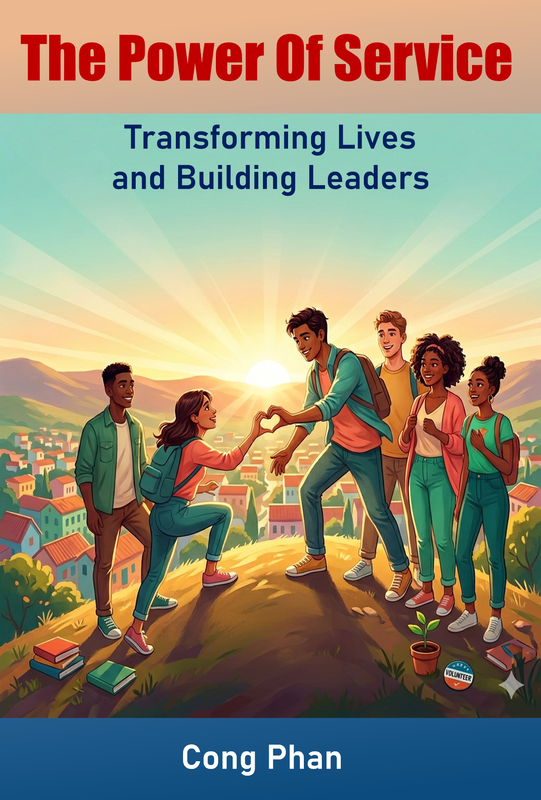

The Power of Service: Transforming Lives and Building Leaders
Chapter 1: The Call to Serve
Understanding the Essence of Service
Service is an essential pillar of our existence, transcending the mere act of giving and delving into the heart of human connection. When we engage in service to others, we tap into a profound sense of purpose that can guide us through life’s complexities. As Mahatma Gandhi beautifully articulated, "The best way to find yourself is to lose yourself in the service of others." This quote encapsulates the transformative power of altruism, urging us to seek fulfillment through our contributions to the lives around us.
In today's fast-paced world, young adults often find themselves grappling with questions of identity and direction. Volunteerism and community service offer a pathway not only to personal growth but also to mindfulness and self-discovery. Engaging in acts of service allows individuals to step outside their own struggles, fostering a sense of empathy and understanding that enriches their own lives while positively impacting others. This reciprocal relationship enhances both personal fulfillment and community well-being, creating a ripple effect of kindness.
Moreover, service learning in education plays a crucial role in shaping the leaders of tomorrow. By integrating community service into academic curricula, students learn valuable life skills such as teamwork, problem-solving, and leadership. These experiences not only prepare them for professional environments but also instill a lifelong commitment to giving back. The lessons learned through service become foundational for aspiring leaders who understand that true influence comes from serving others, not just from personal achievement.
The mental health benefits of altruism are profound and well-documented. Engaging in acts of kindness can lead to reduced stress, enhanced mood, and a greater sense of community belonging. This psychological uplift is a powerful motivator for young professionals and emerging leaders alike, illustrating that selflessness can lead to personal well-being. As individuals commit to service, they discover that their own struggles can be alleviated through the joy of uplifting others, fostering a deeper connection to humanity.
Ultimately, the essence of service lies in its ability to empower individuals and communities alike. Whether through philanthropy, social entrepreneurship, or simple acts of kindness, each gesture contributes to a larger narrative of hope and resilience. As we cultivate a mindset of service, we not only enhance our own lives but also inspire those around us to join in this journey of transformation. In doing so, we create a world where compassion reigns, and every act of kindness resonates far beyond its immediate impact.
The Wisdom of Gandhi: Losing Yourself in Service
Mahatma Gandhi's profound insight that "the best way to find yourself is to lose yourself in the service of others" resonates deeply in today's world. For young adults and emerging professionals, this wisdom offers a transformative perspective on personal growth and fulfillment. In a society often driven by self-interest, Gandhi's call to volunteerism and community service reminds us that true identity and purpose can be discovered through acts of kindness and service to those around us. This selfless engagement not only impacts the community but also enriches our own lives in unimaginable ways.
Engaging in community service allows individuals to connect with a broader purpose, fostering a sense of belonging and interconnectedness. As students and young professionals immerse themselves in volunteer work, they gain invaluable experiences that shape their character and leadership skills. The act of helping others can also serve as a pathway to mindfulness and self-discovery, prompting individuals to reflect on their own values and aspirations. By prioritizing the needs of others, young adults can cultivate empathy, resilience, and a deeper understanding of societal challenges.
Moreover, the mental health benefits of altruism cannot be overstated. Research has shown that engaging in acts of kindness can significantly reduce stress and anxiety while boosting overall well-being. Young people who volunteer often report increased happiness and a greater sense of life satisfaction. This phenomenon highlights how philanthropy and personal growth are intertwined: by committing to serve others, individuals inadvertently nurture their own mental and emotional health, creating a positive feedback loop that enhances both personal and community well-being.
Service learning in education also plays a crucial role in shaping future leaders. Many educational institutions have recognized the importance of integrating volunteerism into their curricula, allowing students to apply academic concepts in real-world settings. This experiential learning not only develops practical skills but also instills a sense of responsibility and leadership. As students engage with diverse communities, they emerge with a richer understanding of social issues and a commitment to effect positive change, further empowering their potential as leaders.
In conclusion, embracing the wisdom of Gandhi offers a pathway for young adults to navigate their journey of self-discovery through service. By losing themselves in acts of kindness, they not only uplift others but also embark on a profound journey of personal growth. The ripple effects of such service extend beyond individual benefits, empowering communities and fostering a culture of compassion and leadership. As we strive to build a better world, let us remember that our greatest strength lies in our ability to serve and uplift one another.
Chapter 2: Volunteerism: A Gateway to Growth
The Impact of Community Service
Community service has a profound impact on individuals and the communities they serve, fostering a sense of purpose and belonging. Young adults and emerging professionals often find that engaging in volunteer work not only enhances their skills but also helps them discover their passions. By contributing their time and energy to causes they care about, they can experience personal growth and a deeper understanding of the world around them. This journey of self-discovery is beautifully encapsulated in the words of Mahatma Gandhi, who emphasized that the best way to find oneself is through selfless service to others.
Involvement in community service nurtures important skills such as leadership, teamwork, and empathy. These attributes are essential for professional success and can be developed through hands-on experiences in nonprofit organizations or community projects. As young people step into leadership roles within these initiatives, they cultivate resilience and adaptability, preparing them to navigate the challenges of the workplace. Moreover, the act of serving others can enhance mental well-being, reducing stress and fostering a sense of fulfillment that comes from making a difference.
The ripple effects of altruism extend beyond individual benefits to create a positive impact on entire communities. Acts of kindness, whether big or small, often inspire others to contribute, creating a culture of giving and collaboration. This collective effort can lead to significant changes, empowering communities to tackle social issues and improve their circumstances. Through volunteerism, individuals not only contribute to societal betterment but also become part of a larger movement that champions empathy and compassion.
Engaging in service learning enhances educational experiences, allowing students to apply classroom knowledge to real-world challenges. This integration not only reinforces academic concepts but also instills a sense of responsibility and civic engagement among students. When young adults participate in service projects, they learn valuable lessons that transcend traditional educational boundaries, equipping them with the tools necessary for effective community leadership and social entrepreneurship.
Ultimately, the journey of community service is intertwined with spirituality and selflessness, encouraging individuals to look beyond their own needs. The act of helping others fosters a profound connection to humanity, reminding us of our shared existence. As young adults embrace this path, they not only transform their own lives but also contribute to building resilient communities that thrive on kindness and collaboration. This powerful cycle of giving and receiving is essential for nurturing a brighter, more compassionate future for all.
Finding Your Passion Through Giving
Finding your passion often feels like a daunting task, but what if the key lies in serving others? Mahatma Gandhi once said, "The best way to find yourself is to lose yourself in the service of others." This profound statement encourages us to explore how volunteerism and community service can not only benefit those in need but also lead us to our own true selves. By engaging in acts of kindness, we open doors to self-discovery and personal fulfillment, finding joy in the contributions we make to the world around us.
When we invest our time and energy into helping others, we cultivate mindfulness and a deeper understanding of our own values and desires. Volunteer work often forces us to step outside our comfort zones and confront challenges that help us grow. Through service learning in education, for instance, students discover their strengths and passions while making a real difference in their communities. This intersection of learning and giving fosters a sense of empowerment that can shape their future endeavors, both personally and professionally.
Moreover, the act of giving has significant mental health benefits. Research shows that altruism can lead to improved mood, reduced stress, and a greater sense of belonging. By focusing on the needs of others, we shift our attention away from our own worries and anxieties. This shift in perspective can be liberating, providing a sense of purpose and driving our passion for making a positive impact. In this way, philanthropy becomes not just an act of kindness but a pathway to personal growth and emotional well-being.
Social entrepreneurship is another exciting avenue through which young adults can find their passion while serving their communities. By creating innovative solutions to social issues, emerging professionals can channel their skills and interests into meaningful work that drives change. This blend of leadership development and community empowerment allows individuals to align their careers with their values, leading to a more fulfilling professional journey.
In summary, finding your passion through giving is a transformative experience that shapes not only who you are but also the world around you. Acts of kindness create ripple effects that extend far beyond the initial gesture, inspiring others to join in and amplify the impact. As you embark on this journey, remember that every act of service, no matter how small, contributes to a larger purpose and helps illuminate the path toward discovering your true self.
Chapter 3: Mindfulness and Self-Discovery
The Journey Within: Reflection Through Helping Others
In the hustle and bustle of modern life, it is easy to lose sight of who we truly are. Young adults, students, and emerging professionals often find themselves caught in a whirlwind of expectations and responsibilities. However, by engaging in acts of service, we can embark on a transformative journey that not only helps others but also leads us to a deeper understanding of ourselves. Mahatma Gandhi's profound assertion that "the best way to find yourself is to lose yourself in the service of others" resonates profoundly in this context, encouraging us to step beyond our own needs and connect with the larger community around us.
Volunteerism and community service provide a unique platform for self-discovery. As we dedicate our time and energy to serve those in need, we are confronted with diverse perspectives that challenge our beliefs and broaden our horizons. This engagement fosters mindfulness, allowing us to reflect on our values and priorities. The experiences gained through helping others create lasting impressions that shape our identities, reinforcing the idea that our true selves are often revealed in moments of selflessness.
In addition to personal growth, the mental health benefits of altruism cannot be overstated. Research indicates that engaging in acts of kindness can significantly enhance our emotional well-being. The act of giving not only elevates our mood but also contributes to a sense of purpose. For young professionals navigating the complexities of their careers, this newfound sense of fulfillment can be a powerful motivator, driving them to excel in both their personal and professional lives.
Service learning, particularly in educational settings, empowers students to integrate their academic knowledge with real-world challenges. This hands-on experience not only cultivates essential leadership skills but also instills a deep sense of empathy and responsibility. As students step outside the classroom, they gain insight into the societal issues that affect their communities, igniting a passion for social entrepreneurship and community empowerment.
Ultimately, the ripple effects of our acts of kindness extend far beyond initial interactions. Each gesture of compassion contributes to a larger movement of altruism that fosters social cohesion and inspires others to engage in similar acts of service. By reflecting on our journeys within, we discover that helping others is not merely an obligation, but a profound opportunity for personal evolution. Through this transformative process, we emerge as leaders equipped to make a meaningful impact in our communities and beyond.
Cultivating Presence: Being Mindful in Service
In our fast-paced world, cultivating presence and being mindful in service can profoundly transform our lives and the lives of those we touch. When we engage in acts of kindness and volunteerism, we not only help others but also learn more about ourselves. Mahatma Gandhi emphasized that losing ourselves in the service of others is the best way to discover our true selves. This journey into service is not just about giving; it's about being fully present and aware of the impact we can have, fostering a deeper connection with our communities and ourselves.
Mindfulness in service requires us to be aware of the moment and the needs of those we serve. It encourages us to listen actively and empathize deeply, allowing us to respond thoughtfully rather than react impulsively. By practicing mindfulness, we can step away from distractions and truly engage with the people around us. This presence not only enhances the quality of our service but also enriches our personal growth, as we learn to appreciate the beauty of every interaction and the stories behind each individual's circumstances.
"The mental health benefits of altruism are significant, offering a sense of fulfillment and purpose. When we serve others, we often experience a boost in our mood and a decrease in feelings of isolation. Volunteering creates a sense of belonging, connecting us with like-minded individuals who share our passion for making a difference. This community aspect of service can also act as a powerful antidote to stress and anxiety, fostering resilience and emotional well-being as we navigate the challenges of life.
Moreover, service learning in education plays a critical role in shaping young leaders. By integrating community service into educational experiences, students gain practical skills and insights that are essential for their future careers. They learn the importance of empathy, teamwork, and leadership, which are vital attributes in any profession. This hands-on approach to learning transforms theoretical knowledge into practical applications, equipping them to tackle real-world challenges with confidence and compassion.
Ultimately, cultivating presence through mindful service leads to personal and collective empowerment. Each act of kindness generates a ripple effect, inspiring others to join in and create a culture of giving. As we develop our leadership qualities through volunteer work, we become catalysts for change, fostering a spirit of selflessness and philanthropy that uplifts our communities. In this journey of self-discovery and service, we find that our greatest achievements lie not in what we gain, but in what we give to others.
Chapter 4: Nonprofit Leadership: Making a Difference
The Role of Leaders in Community Impact
Leaders play a crucial role in shaping the impact of communities, often acting as catalysts for change and innovation. Through their vision and commitment to service, they inspire others to engage in volunteerism and community initiatives." By leading by example, these individuals create a culture of giving, where everyone feels empowered to contribute their time and skills for the greater good. This sense of purpose not only transforms communities but also fosters a deep sense of belonging among participants.
The act of helping others often leads to profound personal growth and self-discovery. Young adults and emerging professionals who engage in community service find that their experiences enrich their understanding of the world. As they step outside their comfort zones to assist those in need, they develop mindfulness and empathy, which are essential qualities for effective leadership. This journey of selflessness enables them to recognize their strengths and passions, ultimately guiding their future paths.
Moreover, nonprofit leadership is vital in addressing societal challenges. Leaders in this sector are tasked with mobilizing resources, rallying support, and executing programs that uplift communities. They must be adept at fostering collaboration among diverse stakeholders, from volunteers to local businesses. Their ability to create strategic partnerships not only amplifies the impact of their initiatives but also enhances community resilience, making it possible for individuals to thrive collectively.
Acts of kindness, no matter how small, have a ripple effect that extends far beyond the initial gesture. Leaders who prioritize altruism in their work cultivate an environment where generosity becomes the norm. This not only benefits the recipients but also contributes to the mental health and well-being of those who serve. Engaging in acts of kindness fosters a sense of fulfillment and purpose, which can be especially beneficial for young professionals navigating the complexities of their careers.
In conclusion, the role of leaders in community impact is multifaceted, encompassing inspiration, mentorship, and collaboration. As they champion the cause of service, they invite others to join them on this transformative journey. By cultivating a spirit of selflessness and empowering individuals to take action, leaders not only enrich their own lives but also create a legacy of positive change that resonates through generations. Their commitment to community service ultimately shapes a brighter future for all.
Building Effective Teams for Service
Building effective teams for service is essential in today's interconnected world. Young adults, students, and emerging professionals are uniquely positioned to harness their energy and creativity in volunteering and community service. By collaborating with others who share a common goal, individuals can not only amplify their impact but also foster a sense of belonging and purpose. This synergy brings together diverse perspectives, enhancing the problem-solving process and leading to innovative solutions for community issues.
The foundation of an effective service team lies in the commitment to a shared vision. When team members are united by a common purpose, they are more likely to contribute wholeheartedly. This unity can be sparked by the powerful words of Mahatma Gandhi, reminding us that true fulfillment comes from losing ourselves in the service of others. Therefore, it is vital for aspiring leaders to cultivate a sense of collective responsibility, ensuring that everyone feels valued and empowered to share their ideas and skills.
Mindfulness and self-discovery play significant roles in team dynamics. Engaging in service not only benefits the community but also helps individuals explore their strengths, weaknesses, and passions. Through volunteering, team members can gain insights into their personal growth while developing empathy and compassion. This journey of self-discovery enriches their leadership skills, making them more effective advocates for the causes they support.
Moreover, acts of kindness and service generate a ripple effect that extends beyond the immediate team. When individuals work together to uplift others, they contribute to a culture of altruism within their communities. This culture fosters social entrepreneurship, empowering individuals to take initiative and create sustainable solutions for long-standing social issues. As each team member experiences the mental health benefits of altruism, they become more resilient and motivated to continue their service journey.
In conclusion, building effective teams for service is a transformative experience that shapes not only the individuals involved but also the communities they serve. By embracing the principles of collaboration, shared vision, and personal growth, young adults can lead initiatives that inspire and empower others. When we come together to serve, we not only find ourselves but also create a brighter future for all, proving that the power of service truly transforms lives and builds leaders.
Chapter 5: Service Learning in Education
Integrating Service into the Curriculum
Integrating service into the curriculum is a powerful way to enrich the educational experience of young adults and emerging professionals. By embedding volunteerism and community service into academic programs, students not only learn academic content but also develop a deep sense of social responsibility. This approach fosters critical thinking skills while instilling a commitment to making the world a better place, inspired by Mahatma Gandhi's belief that self-discovery often comes through the service of others.
Service learning is an innovative pedagogical strategy that connects classroom learning with real-world application. It allows students to engage in meaningful projects that address community needs, thereby enhancing their understanding of course material. As they work on these projects, students cultivate essential skills such as teamwork, leadership, and problem-solving, all of which are invaluable in today’s workforce.
The mental health benefits of altruism cannot be overlooked. When individuals engage in acts of kindness and service, they often experience heightened levels of happiness and fulfillment. This sense of purpose not only boosts their well-being but also contributes to their personal growth. By integrating service into the curriculum, educational institutions can promote a culture of mindfulness and self-discovery, encouraging students to reflect on their values and aspirations.
Furthermore, nonprofit leadership and social entrepreneurship are crucial areas that can greatly benefit from an educational focus on service. Programs that emphasize these aspects can empower students to take initiative, develop innovative solutions for social issues, and lead community empowerment efforts. Such experiences not only prepare students for future careers but also inspire them to become proactive change-makers in society.
Ultimately, integrating service into the curriculum creates a ripple effect of kindness and compassion. It allows young adults to see their potential impact on the world while fostering a spirit of selflessness and spirituality. By encouraging acts of kindness, educational institutions play a pivotal role in shaping future leaders who are not only skilled professionals but also dedicated citizens committed to the common good.
The Benefits of Experiential Learning
Experiential learning provides a unique platform for young adults to engage deeply with their surroundings and develop a profound understanding of themselves through service. By stepping outside of their comfort zones and participating in community service initiatives, individuals not only contribute to the welfare of others but also uncover hidden strengths and aspirations within themselves. This process of self-discovery is essential for personal growth and reinforces the idea that the best way to find oneself is through the service of others, as noted by Mahatma Gandhi.
Volunteerism and community service foster essential life skills that are often overlooked in traditional educational settings. Young people involved in these activities learn leadership, teamwork, and problem-solving skills while addressing real-world challenges. These experiences equip them with the tools necessary to navigate professional environments and enhance their employability, making them more attractive candidates in a competitive job market.
Mindfulness and self-reflection are crucial aspects of experiential learning. When individuals engage in acts of kindness, they often experience a heightened sense of awareness and empathy, which contributes to their overall mental health. The act of helping others can lead to reduced stress levels and increased happiness, creating a positive feedback loop that reinforces altruistic behavior and personal fulfillment.
Moreover, service learning in education bridges the gap between theoretical knowledge and practical application. By integrating community service into academic curricula, students can contextualize their learning and understand the impact of their actions on society. This holistic approach not only enriches their educational experience but also cultivates a sense of responsibility and commitment to community empowerment.
In conclusion, the benefits of experiential learning extend far beyond individual gains. Through acts of kindness and community involvement, young adults can create a ripple effect that transforms lives, strengthens communities, and fosters a culture of leadership and altruism. This journey of service not only shapes their personal identities but also nurtures a future generation of compassionate leaders who are committed to making a difference in the world.
Chapter 6: Mental Health Benefits of Altruism
How Helping Others Enhances Well-Being
Helping others is a powerful way to enhance personal well-being, particularly for young adults navigating their paths. Engaging in acts of kindness not only supports those in need but also fosters a sense of purpose and fulfillment. As Mahatma Gandhi wisely stated, "The best way to find yourself is to lose yourself in the service of others." This profound perspective emphasizes how volunteerism leads to self-discovery, allowing individuals to connect with their values and aspirations.
Volunteerism and community service provide opportunities for personal growth while addressing societal challenges. By participating in projects that uplift communities, young people can learn valuable skills and gain insights into effective nonprofit leadership. The act of serving others helps develop empathy, resilience, and a deeper understanding of societal issues, which are crucial qualities in today’s interconnected world.
Moreover, the mental health benefits of altruism are significant. Engaging in service activities has been shown to reduce stress, alleviate feelings of isolation, and boost overall happiness. When young adults dedicate their time to helping others, they often experience a sense of belonging and community that enhances their mental well-being. This connection to others fosters mindfulness, allowing individuals to live in the moment and appreciate the positive impact of their actions.
Service learning in education further reinforces the connection between helping others and personal development. Students who engage in community service as part of their academic experience not only enrich their learning but also cultivate leadership skills. These experiences encourage young people to think critically about social issues and empower them to become active participants in creating change.
Ultimately, the ripple effects of kindness can transform lives and communities. Acts of service, no matter how small, contribute to a culture of compassion and selflessness. As emerging professionals and leaders, young adults have the opportunity to drive social entrepreneurship and community empowerment through their commitment to helping others. In doing so, they not only enhance their well-being but also inspire others to follow in their footsteps, creating a brighter future for all.
Altruism as a Path to Personal Resilience
Altruism offers a unique pathway to personal resilience, especially for young adults navigating the complexities of life. When individuals engage in acts of service, they often discover a profound sense of purpose and fulfillment. This journey into selflessness not only strengthens personal identity but also fosters a deep connection with the community, reminding us that we are all part of something larger than ourselves. Through the lens of volunteerism, we learn that our challenges can be met with strength when we focus on the needs of others.
Participating in community service acts as a catalyst for self-discovery, where young people can explore their values, passions, and strengths. As they offer their time and skills to help those in need, they gain valuable insights into their own capabilities. This process is akin to mindfulness; by being present in the act of helping others, they cultivate a deeper understanding of themselves. This self-awareness is integral to building resilience, as it empowers individuals to face their own struggles with newfound confidence and clarity.
Moreover, the mental health benefits of altruism cannot be overlooked. Research shows that engaging in acts of kindness can lead to reduced stress and anxiety while also promoting feelings of happiness and satisfaction. Young adults often grapple with mental health challenges, and by shifting their focus outward through community involvement, they can alleviate some of their own burdens. Acts of kindness create a positive feedback loop, where helping others not only enriches the lives of those served but also enhances the well-being of the giver.
As emerging professionals, young adults can harness the power of altruism in their career paths, particularly in fields related to nonprofit leadership and social entrepreneurship. By integrating service into their professional lives, they can develop essential leadership skills that emphasize empathy, collaboration, and impact. This approach not only prepares them for successful careers but also positions them as change-makers in their communities, driving social empowerment and collective growth.
In conclusion, altruism serves as a powerful tool for personal resilience and growth. By losing themselves in the service of others, young adults not only find their own identities but also contribute to building a more compassionate and supportive world. The ripple effects of their kindness extend far beyond individual interactions, ultimately creating a legacy of positive change that inspires future generations to follow suit.
Chapter 7: Philanthropy and Personal Growth
The Transformative Power of Giving
In a world where individuals often seek personal gain, the act of giving emerges as a profound counterbalance. Mahatma Gandhi once said, "The best way to find yourself is to lose yourself in the service of others." This sentiment captures the essence of how immersing oneself in acts of kindness not only transforms the lives of those we help but also leads to deep personal discovery. For young adults, students, and emerging professionals, understanding the transformative power of giving can serve as a guiding principle in both their personal and professional lives.
Volunteerism and community service are not just altruistic endeavors; they are essential components of personal growth and leadership development. Engaging in community projects allows individuals to connect with diverse groups, fostering empathy and understanding. As young people step outside their comfort zones, they cultivate skills that are invaluable in the workplace, such as teamwork, problem-solving, and effective communication. These experiences enrich their resumes and shape them into compassionate leaders capable of making a significant impact.
Mindfulness and self-discovery often flourish in the context of helping others. When individuals focus on the needs of those around them, they momentarily set aside their own challenges and worries. This shift in focus can lead to profound self-reflection, revealing strengths and insights that may have otherwise gone unnoticed. Acts of kindness create a ripple effect, enhancing mental well-being not only for the giver but also for the recipient, reinforcing the idea that altruism can be a powerful catalyst for personal happiness and fulfillment.
Philanthropy and social entrepreneurship represent the pinnacle of giving, where passion and purpose converge to create lasting change. Young professionals are increasingly drawn to these fields, recognizing that impactful service can also lead to innovative business models. By channeling their resources and creativity into community empowerment, they not only contribute to social good but also cultivate a sense of purpose that drives their careers. This intersection of service and entrepreneurship illustrates how giving can redefine success in today’s world.
Ultimately, the transformative power of giving extends beyond individual acts; it shapes communities and fosters a culture of kindness and collaboration. As young adults embrace volunteerism, they not only elevate their own lives but also inspire others to do the same. This collective movement toward service not only enhances societal well-being but also lays the groundwork for a more empathetic, connected world. In this journey of selflessness, individuals discover their true potential and the profound impact they can have on the lives of others.
Building a Culture of Generosity
Building a culture of generosity begins with understanding the profound impact that service to others can have on our own lives. When we engage in acts of kindness, whether through volunteering or simply helping a friend in need, we not only uplift those around us but also find deeper connections with ourselves. As Mahatma Gandhi beautifully stated, ‘The best way to find yourself is to lose yourself in the service of others.’ This journey of self-discovery through altruism helps us realize that our contributions, no matter how small, can create a ripple effect of positivity in our communities.
In today’s world, where individualism often reigns supreme, embracing a spirit of generosity can set us apart as leaders and change-makers. Young adults, students, and emerging professionals have the unique opportunity to cultivate this culture by actively participating in volunteerism and community service. By dedicating our time and resources to causes we are passionate about, we not only enhance the lives of others but also enrich our own experiences and perspectives. This engagement fosters a sense of belonging and purpose, which is vital for personal and professional growth.
Mindfulness plays a crucial role in our journey to build a culture of generosity. As we practice being present in our interactions and focused on the needs of others, we develop empathy and compassion. These qualities are essential for effective leadership and can significantly enhance our mental wellbeing. Research shows that engaging in altruistic behavior can lead to feelings of happiness and fulfillment, creating a virtuous cycle in which the more we give, the more we receive in return, both emotionally and spiritually.
Moreover, the benefits of philanthropy extend beyond individual gain; they empower communities and drive social change. When young professionals and students take the initiative to support nonprofits or engage in social entrepreneurship, they contribute to the development of sustainable solutions that address pressing social issues. This hands-on approach to service learning not only educates but also inspires others to join the movement, creating a collective impact that transforms lives.
Ultimately, building a culture of generosity is about cultivating an environment where acts of kindness are celebrated and encouraged. Each small gesture can lead to significant change, both within ourselves and in the world around us. By adopting a mindset of service, we can inspire future generations to prioritize giving back, ensuring that the spirit of generosity continues to thrive. As we embark on this journey together, let us remember that our collective efforts can create a brighter, more compassionate future for all.
Chapter 8: Social Entrepreneurship and Community Empowerment
Innovating for Social Good
In a world that often prioritizes individual success, the concept of innovating for social good emerges as a powerful call to action for young adults and emerging professionals. The words of Mahatma Gandhi resonate deeply: "The best way to find yourself is to lose yourself in the service of others." This philosophy not only fosters a sense of purpose but also empowers individuals to make meaningful contributions to their communities through volunteerism and community service. By engaging in acts of kindness, young people can discover their own passions while positively impacting the lives of others.
Service learning in education is a transformative approach that integrates community service with academic study, enabling students to apply their knowledge in real-world settings. This hands-on experience cultivates critical thinking and problem-solving skills while also enhancing empathy and social awareness. As students immerse themselves in initiatives that address local needs, they become more mindful of their role in society and the interconnectedness of all individuals. This journey toward self-discovery through helping others not only enriches their educational experience but also lays the groundwork for future nonprofit leadership and social entrepreneurship.
The mental health benefits of altruism are profound and well-documented. Engaging in acts of service can lead to increased happiness, reduced stress, and a greater sense of fulfillment. As young adults navigate the challenges of life, embracing a mindset centered on helping others can serve as a powerful antidote to the pressures they face. This shift toward selflessness not only enhances personal well-being but also creates a ripple effect, inspiring others to join in the movement of kindness and generosity, ultimately leading to stronger, more resilient communities.
Philanthropy and personal growth are intricately linked, as giving back allows individuals to connect with their values and aspirations. Young adults who engage in social entrepreneurship are not only driving change but also developing essential leadership skills. By addressing social issues through innovative solutions, they become catalysts for community empowerment. This entrepreneurial spirit, combined with a commitment to social good, fosters a new generation of leaders who are equipped to tackle the complex challenges of our time.
In conclusion, innovating for social good is not merely an abstract concept but a tangible path for young people to explore their potential and create lasting impact. By embracing volunteerism, community service, and acts of kindness, individuals embark on a journey of self-discovery and leadership development. As they lose themselves in the service of others, they not only enhance their own lives but also contribute to a more compassionate and connected world. The future belongs to those who dare to innovate for the greater good, inspiring change and uplifting communities with every act of service they undertake.
Empowering Communities Through Sustainable Practices
Empowering communities through sustainable practices is a transformative journey that begins with recognizing the power of service as a catalyst for change. Young adults, students, and emerging professionals are uniquely positioned to lead this charge, harnessing their energy and creativity to foster environments where everyone can thrive. By engaging in volunteerism and community service, individuals not only contribute to the welfare of others but also embark on a path of self-discovery and personal growth. This connection between helping others and finding one’s purpose is a profound aspect of community empowerment.
Mindfulness plays a crucial role in this process, as it encourages individuals to be present and fully engaged in their actions. Through acts of kindness, young people can cultivate a deeper understanding of their own values and priorities. The mental health benefits of altruism are well documented; by focusing on the needs of others, individuals often find relief from their own stresses and anxieties. This reciprocal relationship between personal well-being and community service creates a powerful incentive for young adults to get involved.
Nonprofit leadership and social entrepreneurship are essential components of sustainable community practices. Young leaders who prioritize service learning in education can inspire their peers to adopt similar values. By developing innovative solutions to community challenges, they not only address immediate needs but also lay the groundwork for long-term change. This entrepreneurial spirit, combined with a commitment to service, can turn ideas into impactful initiatives that empower entire communities.
Philanthropy and community empowerment go hand in hand, as they foster environments where individuals can thrive collectively. As young adults engage in charitable activities, they learn the importance of collaboration and teamwork. This experience is invaluable in shaping future leaders who understand that effective leadership is rooted in selflessness and the ability to uplift others. The ripple effects of their actions can lead to widespread positive change, encouraging a culture of kindness and generosity.
Ultimately, empowering communities through sustainable practices is about creating a legacy of service and leadership. The journey begins with a single act of kindness, but it grows exponentially as more individuals join in. By embracing the principles of altruism, mindfulness, and social entrepreneurship, young adults can transform their lives and those of others, creating a brighter future for all. The power of service is not just a statement; it is a call to action that resonates deeply within the hearts of those ready to lead.
Chapter 9: Spirituality and Selflessness
The Connection Between Service and Spiritual Growth
In the journey of life, one of the most profound revelations is that our connection with others can lead to our own spiritual growth. When we engage in service, whether through volunteerism or simple acts of kindness, we begin to understand the essence of our own humanity. Mahatma Gandhi once stated, "The best way to find yourself is to lose yourself in the service of others." This powerful sentiment encapsulates the truth that, by helping others, we often discover deeper aspects of ourselves and our purpose in life.
Service to others not only strengthens our communities but also enhances our personal development. Young adults and emerging professionals can find immense value in engaging with nonprofit organizations or participating in community service projects. These experiences cultivate a sense of mindfulness and self-discovery, as we learn to appreciate the diverse backgrounds and stories of those we serve. In giving our time and energy, we gain insights that shape our character and leadership abilities, preparing us for future challenges.
The mental health benefits of altruism are profound and well-documented. Engaging in service work can alleviate feelings of loneliness and depression, providing a sense of belonging and purpose. When we invest in others' well-being, we also nurture our own. This reciprocal relationship serves as a reminder that our actions, no matter how small, can have a ripple effect, creating waves of positive change in our lives and communities.
Moreover, service learning in educational settings fosters a unique platform for young individuals to connect theory with practice. By applying classroom knowledge to real-world challenges, students not only enhance their academic experience but also develop empathy and social responsibility. This blend of education and service empowers future leaders to approach societal issues with creativity and compassion, essential qualities for effective social entrepreneurship and community empowerment.
Ultimately, the connection between service and spiritual growth is a journey of selflessness and transformation. As we learn to prioritize the needs of others, we cultivate a spirit of generosity that enriches our own lives. Each act of kindness, no matter how seemingly insignificant, contributes to a larger tapestry of community well-being and personal fulfillment, guiding us toward a more meaningful existence.
Finding Purpose in Selfless Acts
In a world often focused on personal achievements and individual success, finding purpose through selfless acts becomes a transformative journey for many young adults. Engaging in volunteerism and community service not only provides support to those in need but also allows individuals to connect deeply with their own values and aspirations. Mahatma Gandhi’s wisdom, “The best way to find yourself is to lose yourself in the service of others,” highlights how stepping outside of oneself can lead to profound self-discovery and fulfillment.
When individuals participate in acts of kindness, whether big or small, they experience a unique form of mindfulness that fosters personal growth. Helping others encourages young people to reflect on their own lives, shaping their perspectives and priorities. This process of self-discovery through altruism allows them to recognize the impact of their actions, cultivating empathy and a sense of belonging within their communities.
Moreover, the mental health benefits associated with altruism are significant. Engaging in selfless activities can reduce stress and anxiety, leading to improved overall well-being. As emerging professionals and students navigate the complexities of their personal and academic lives, the act of giving back can serve as a powerful counterbalance, enhancing their emotional resilience and sense of purpose.
In addition, service learning within educational settings equips students with essential leadership skills. Collaborating on community projects develops not only their ability to lead but also their capacity to inspire others. As they witness the ripple effects of their contributions, young adults become empowered to initiate change, driving social entrepreneurship and community empowerment initiatives that can make a lasting difference.
Ultimately, finding purpose in selfless acts cultivates a sense of spirituality and selflessness that enriches lives. Acts of kindness create a chain reaction, inspiring others to join the movement of service. As young adults embrace this journey, they not only transform their own lives but also contribute to building a more compassionate and connected world, embodying the true essence of leadership through service.
Chapter 10: Acts of Kindness and Their Ripple Effects
The Science of Kindness
The concept of kindness transcends mere acts of goodwill; it is a profound science that can significantly contribute to individual and community well-being. When we engage in acts of kindness, we not only uplift others but also experience a multitude of positive effects on our own mental health. Research indicates that altruism triggers the release of neurotransmitters such as oxytocin and serotonin, which enhance our mood and foster a sense of connection with others. This creates a feedback loop, where the more we give, the more we receive in terms of emotional benefits, reinforcing the idea that kindness is as much a gift to ourselves as it is to those we serve.
Engaging in volunteerism and community service cultivates empathy and mindfulness, allowing young adults and professionals to connect with diverse groups of people. These experiences help individuals step outside their comfort zones and gain a deeper understanding of the challenges faced by others. This self-discovery journey through helping others not only enriches our own lives but also empowers us to become more effective leaders. By fostering an inclusive environment where everyone feels valued, we can create stronger communities and inspire change that reverberates far beyond our immediate circles.
The impact of kindness extends into the realm of nonprofit leadership and social entrepreneurship. Leaders who prioritize service and altruism can inspire their teams to work toward common goals with passion and dedication. This not only enhances organizational culture but also leads to innovative solutions that address societal issues. By integrating acts of kindness into organizational missions, nonprofits can create a ripple effect that empowers communities and instills hope, demonstrating the transformative power of compassion in action.
Moreover, the mental health benefits of altruism cannot be overlooked. Studies show that participating in acts of kindness can significantly reduce stress and anxiety, leading to improved emotional resilience. For young adults navigating the complexities of modern life, engaging in service can provide a sense of purpose and fulfillment that is often lacking in conventional career paths. By prioritizing kindness and service, we can nurture our mental well-being while contributing positively to society.
In conclusion, the science of kindness teaches us that our acts of service have far-reaching consequences. As we embrace the philosophy of losing ourselves in the service of others, we not only discover our true selves but also foster a culture of compassion and empowerment. Each act of kindness, no matter how small, can ignite change and inspire a movement of generosity that uplifts individuals and communities alike. Let us commit ourselves to this journey of service, recognizing that in giving, we truly receive.
Creating a Culture of Compassion
Creating a culture of compassion is essential for fostering a supportive environment in which individuals can thrive. When young adults, students, and emerging professionals embrace the spirit of service, they not only contribute to their communities but also discover their own identities. This journey of self-discovery often leads to profound personal growth, as individuals learn the importance of empathy and kindness. By engaging in volunteerism and community service, they cultivate a deeper understanding of the challenges others face, which in turn enriches their own lives.
Mindfulness plays a crucial role in developing this culture of compassion. When individuals take the time to reflect on their experiences while helping others, they become more attuned to their emotions and the emotions of those around them. This heightened awareness allows for genuine connections to form, paving the way for a more compassionate society. Acts of kindness, no matter how small, can create ripple effects that inspire others to contribute positively to their communities, strengthening the bonds between individuals.
Incorporating service learning into educational settings is a powerful way to instill these values in young people. When students participate in community service projects as part of their curriculum, they gain practical skills while also learning about the importance of giving back. This experiential learning approach not only enhances their academic experience but also prepares them for future leadership roles. By understanding the impact of their actions, they become more responsible citizens, ready to tackle social issues with a compassionate mindset.
The mental health benefits of altruism cannot be overstated. Engaging in acts of service has been shown to reduce stress, increase happiness, and promote overall well-being. As young adults navigate the complexities of their personal and professional lives, the practice of selflessness can serve as a powerful antidote to the challenges they face. By prioritizing compassion, they not only elevate their own mental health but also contribute to the collective well-being of their communities.
Ultimately, creating a culture of compassion is about empowering individuals to lead with their hearts. By fostering an environment in which service to others is celebrated, we can cultivate a generation of leaders who prioritize kindness, empathy, and social responsibility. These emerging professionals will not only transform their own lives but also inspire those around them to join in the journey of service, creating a brighter future for all.
Chapter 11: Leadership Development Through Volunteer Work
Skills Gained from Serving Others
Serving others is a profound journey that not only impacts those we help but also transforms our own lives in remarkable ways. Each act of service enhances our ability to empathize as we step into the shoes of those we assist. This empathy fosters deep connections with diverse individuals, enriching our understanding of different perspectives and cultures. As we engage with communities, we learn to appreciate the beauty in our differences, ultimately cultivating a more inclusive mindset.
The skills acquired through serving others extend beyond empathy; they also include leadership and teamwork. In volunteer settings, we often work alongside others who share a common goal, learning to collaborate effectively. These experiences teach us the importance of communication, negotiation, and conflict resolution. Young adults stepping into leadership roles can benefit significantly from these skills as they navigate challenges in their personal and professional lives.
Mindfulness and self-discovery are also vital aspects of serving others. When we focus on helping those in need, we often find clarity about our own values and priorities. This self-reflection can lead to profound personal growth, allowing us to align our actions with our beliefs. The process of giving back encourages us to explore what truly matters to us, leading to a more fulfilling and purpose-driven life.
Furthermore, engaging in community service has been shown to have mental health benefits. Acts of kindness trigger the release of endorphins, creating a positive feedback loop that enhances our emotional well-being. By actively participating in service, we not only uplift others but also cultivate our own happiness and resilience. This dual benefit speaks to the power of altruism in promoting mental health and overall life satisfaction.
Finally, serving others cultivates a spirit of philanthropy and social entrepreneurship. Young professionals who engage in community service often develop innovative solutions to social issues, harnessing their skills and resources for greater impact. This entrepreneurial mindset, coupled with a commitment to service, can lead to significant changes in communities and empower future leaders to continue this cycle of positive change. Through service, we not only find ourselves but also ignite the potential within others, creating a ripple effect of kindness and empowerment that extends far beyond our immediate reach.
Leading by Example: Inspiring Future Generations
Leading by example is one of the most powerful ways to inspire future generations. When individuals choose to serve others, they not only transform their own lives but also become beacons of hope and motivation for those around them. As Mahatma Gandhi wisely noted, "The best way to find yourself is to lose yourself in the service of others." This profound statement encapsulates the essence of altruism and the positive ripple effects it creates within communities.
Volunteerism and community service are vital components of effective leadership. Young adults, students, and emerging professionals are uniquely positioned to take on roles that foster change and drive social impact. By engaging in acts of kindness and service, they cultivate a sense of purpose and belonging, which is essential for personal growth. This experience not only benefits the community but also enhances the volunteers’ mental well-being, making them more resilient and empathetic.
Mindfulness and self-discovery through helping others can lead to profound insights about one's values and aspirations. When individuals immerse themselves in service learning, they often find clarity in their own life paths. This journey of self-exploration can empower young people to embrace their passions and translate them into meaningful actions that benefit society. The act of serving others can illuminate personal strengths and weaknesses, paving the way for continuous improvement.
Nonprofit leadership and social entrepreneurship serve as platforms for the next generation to enact change. By stepping into leadership roles, young professionals can learn valuable skills such as teamwork, communication, and strategic thinking. These experiences not only enhance their resumes but also prepare them for future challenges in any career path. Ultimately, the ability to lead through service nurtures a spirit of collaboration and innovation necessary for addressing contemporary issues.
Acts of kindness, no matter how small, can create a chain reaction of positivity within communities. The mental health benefits of altruism are well-documented, showing that giving back can lead to enhanced happiness and fulfillment. By leading through example, young individuals have the potential to inspire their peers, encouraging a culture of service and selflessness. As they do so, they pave the way for future generations to prioritize empathy, compassion, and collective growth.
Cong Phan — Professional, Inspirational Author Bio
Cong Phan is a former Digital Transformation Project Management Professional who discovered that his greatest impact wasn’t made in boardrooms but through the power of storytelling. After years of leading people through complex change, he recognized a universal truth: the qualities that shape successful adults—resilience, curiosity, courage, and the ability to rise after setbacks—are the same qualities young people need most as they navigate their own journeys.
Motivated by this insight, Cong shifted his career toward writing with a clear mission: to inspire teens, students, and emerging professionals at the moments they need encouragement the most. His work blends motivational insight with real human stories of determination, showing readers that progress often begins with a single question and the willingness to keep moving when the path is uncertain.
Cong writes with warmth, clarity, and deep respect for the next generation of thinkers, dreamers, and leaders. He believes every young person carries a spark of greatness—and that the right story, at the right time, can help that spark grow into confidence, purpose, and possibility.
Greenbamboo

Comments
No comments yet. Be the first to comment!