

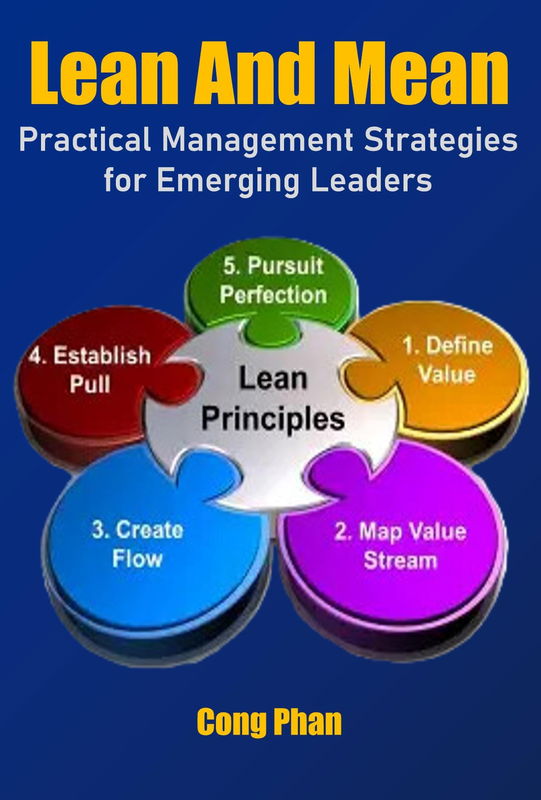
Lean and Mean
Practical Management Strategies for Emerging Leaders

Chapter 1: The Essence of Efficiency and Effectiveness
Understanding Efficiency vs. Effectiveness
In today’s fast-paced world, understanding the distinction between efficiency and effectiveness is crucial for young adults and emerging professionals. Efficiency is often seen as doing things right, focusing on the optimal use of resources to achieve a specific output. This means completing tasks quickly and with minimal waste, which is essential in environments where time and resources are limited. However, efficiency alone does not guarantee success; it must be paired with effectiveness to ensure that the right tasks are prioritized and executed.
Effectiveness, on the other hand, is about doing the right things. It involves aligning actions with goals and ensuring that the outcomes are meaningful and impactful. For students and young professionals, this means setting clear objectives and understanding the broader implications of their work. By prioritizing effectiveness, individuals can ensure that their efforts contribute to personal growth and organizational success, fostering a culture of purpose and direction.
One of the key challenges faced by emerging leaders is balancing efficiency with effectiveness. While it may be tempting to focus solely on completing tasks quickly, this can lead to a superficial sense of accomplishment. Leaders must ask themselves whether their activities are aligned with their long-term goals. This involves strategic planning and the use of performance metrics to evaluate not just how well tasks are performed, but also whether those tasks are the right ones to pursue.
Adopting lean management practices can help young professionals enhance both efficiency and effectiveness. By streamlining processes and eliminating waste, individuals can create more value in their work. Furthermore, incorporating agile methodologies allows teams to adapt quickly to changing circumstances, ensuring that they remain effective in achieving their objectives. This dual focus enables a more responsive and dynamic approach to work, which is essential in today’s rapidly evolving job market.
Ultimately, cultivating a workplace culture that values both efficiency and effectiveness leads to long-term success. Young adults and emerging leaders who understand this balance will be better equipped to make informed decisions, set achievable goals, and drive meaningful change within their organizations. As Peter Drucker famously stated, “Efficiency is doing the thing right. Effectiveness is doing the right thing." Embracing this philosophy can empower individuals to navigate their careers with purpose and clarity.
The Wisdom of Peter F. Drucker
Peter F. Drucker, often referred to as the father of modern management, imparted timeless wisdom that remains relevant for emerging leaders today. His assertion that “Efficiency is doing the thing right. Effectiveness is doing the right thing” serves as a guiding principle for anyone looking to navigate the complexities of modern workplaces. This dual focus on efficiency and effectiveness encourages young professionals to not only master their tasks but also to align their efforts with meaningful goals that drive success.
In the realm of time management, Drucker’s insights emphasize the importance of prioritization and strategic planning. For students and young adults who often juggle multiple responsibilities, understanding how to allocate time effectively can lead to improved productivity. By utilizing tools and techniques that support these principles, individuals can manage their workloads more efficiently, thus creating the space needed for personal development and goal achievement.
Leadership in operational efficiency is another critical area addressed by Drucker. Emerging professionals can learn from his approach to fostering a workplace culture that values clarity and accountability. By setting clear expectations and maintaining open lines of communication, leaders can cultivate an environment that encourages collaboration and innovation, essential for any organization striving for excellence in today’s fast-paced world.
Drucker also championed the importance of agile methodologies in business, which resonates deeply with the dynamic nature of the current job market. Young leaders are encouraged to embrace flexibility and adaptability in their decision-making processes. This not only enhances their ability to respond to change but also positions them to capitalize on new opportunities that arise, further enhancing their effectiveness as professionals.
Finally, the integration of performance metrics into strategic planning is vital for long-term effectiveness. By establishing clear metrics, young adults can assess their progress and make informed decisions that align with their goals. Drucker’s legacy underscores the significance of continuous improvement and the pursuit of excellence, offering emerging leaders a blueprint for achieving their aspirations while contributing positively to their organizations and society at large.
The Impact on Leadership
Leadership is often viewed as a role associated with authority and power, but its true essence lies in the ability to inspire and empower others. Emerging leaders must recognize that effective leadership is not merely about making decisions; it’s about cultivating an environment where team members feel valued and motivated. This requires a commitment to operational efficiency and a strategic approach to goal setting, ensuring that every action aligns with the broader aims of the organization. By embracing the principles of lean management, young leaders can streamline processes and eliminate waste, allowing their teams to focus on what truly matters.
The impact of leadership on workplace culture cannot be overstated. A leader’s ability to foster a positive and inclusive environment directly influences team morale and productivity. By prioritizing open communication and collaboration, leaders can create a culture that encourages innovation and accountability. This not only enhances operational efficiency but also contributes to the overall effectiveness of the organization. Young professionals stepping into leadership roles should strive to embody these values, setting the tone for a culture that supports growth and success.
Time management and productivity are critical components of effective leadership. Emerging leaders must develop tools and techniques that help them and their teams prioritize tasks and manage time efficiently. By implementing agile methodologies, leaders can adapt to changing circumstances and ensure that their teams remain focused on the objectives that drive results. This flexibility, combined with a disciplined approach to time management, empowers leaders to make informed decisions that propel their organizations forward.
Furthermore, the relationship between leadership and performance metrics is vital for long-term effectiveness. By establishing clear performance indicators, leaders can measure progress and identify areas for improvement. This data-driven approach allows leaders to make strategic plans that align with their organization’s goals while also fostering a culture of continuous improvement. Young adults entering the workforce should embrace this analytical mindset, understanding that effective decision-making is rooted in a thorough evaluation of performance metrics.
In conclusion, the impact on leadership extends far beyond traditional notions of authority. For emerging professionals, the challenge lies in blending efficiency with effectiveness, fostering a culture of collaboration, and leveraging time-management strategies. By embodying the principles of lean management and remaining committed to personal development, young leaders can navigate the complexities of the modern workplace and drive their organizations toward success. The journey of leadership is not merely about achieving results; it's about inspiring others to reach their full potential alongside you.
Chapter 2: Mastering Time Management
The Importance of Time Management
Time management is a fundamental skill that serves as the backbone of success for young adults, students, and emerging professionals. In today's fast-paced world, the ability to effectively manage one's time can mean the difference between achieving goals and feeling overwhelmed by responsibilities. As Peter F. Drucker wisely stated, "Efficiency is doing the thing right.Effectiveness is doing the right thing." This principle underscores the essence of time management, emphasizing that it is not merely about getting things done, but about ensuring that the right tasks are prioritized and executed proficiently.
The significance of time management extends beyond personal productivity; it shapes workplace culture and operational efficiency. By employing strategic planning techniques, individuals can allocate their time effectively, leading to improved performance metrics within organizations. Establishing clear goals and utilizing productivity tools can help in creating a structured approach to tasks, allowing for better focus and reduced stress. When young professionals harness these strategies, they not only enhance their own effectiveness but also contribute positively to their teams and organizations.
Incorporating lean management practices into daily routines can further amplify the benefits of time management. Lean methodologies encourage the elimination of waste and the optimization of processes, providing a framework for young adults to streamline their workload. By understanding how to identify and eliminate non-value-adding activities, individuals can free up time for more meaningful tasks that align with their personal and professional aspirations. This proactive approach fosters a culture of continuous improvement, essential for growth in any field.
Goal setting plays a vital role in effective time management. When individuals clearly define their objectives, they can better allocate their time and resources to activities that yield the highest results. This alignment not only enhances personal development but also aids effective decision-making. As young adults embark on their careers, mastering the art of setting and achieving goals can lead to significant advancements and greater job satisfaction, ultimately shaping their professional journeys.
Lastly, embracing agile methodologies can revolutionize how young professionals approach time management. Agile practices promote adaptability and responsiveness, allowing individuals to manage their time in a way that is flexible yet focused. This dynamic approach enables them to navigate the complexities of the modern workplace with confidence and efficiency. By fostering a mindset that values both effectiveness and efficiency, emerging leaders can cultivate a robust foundation for their future, ensuring that they not only meet their goals but exceed them with purpose and passion.
Techniques for Prioritizing Tasks
In the fast-paced world we live in, mastering the art of task prioritization is essential for achieving goals effectively. Young adults, students, and emerging professionals often juggle multiple responsibilities, making it crucial to identify what matters most. Techniques such as the Eisenhower Matrix can help individuals categorize tasks based on urgency and importance, allowing them to focus on what will drive their success. By distinguishing between tasks that are urgent and those that are truly important, one can avoid the trap of responding only to immediate demands, which can derail long-term objectives.
Another effective strategy is the ABCDE method, where tasks are prioritized based on their significance to overall goals. By labeling tasks as A (most important), B (important), C (nice to do), D (delegate), or E (eliminate), individuals can create a clear roadmap for their day. This method encourages a disciplined approach to task management and ensures that energy is directed towards actions that align with personal and professional aspirations. By practicing this technique regularly, one can develop a sharper focus on their priorities.
Incorporating technology can also enhance task prioritization. Productivity tools such as digital planners and task management apps enable users to visualize their workload and deadlines. These tools often include features such as reminders and progress tracking, which can keep motivation high and encourage accountability. Young professionals should leverage these resources to streamline their workflow and maintain an organized approach to their responsibilities, ultimately leading to greater efficiency in achieving their goals.
Setting clear goals is fundamental to effective task prioritization. By defining short-term and long-term objectives, individuals can align their daily tasks with their overarching vision. Utilizing SMART criteria—Specific, Measurable, Achievable, Relevant, and Time-bound—will provide clarity and direction. When tasks are aligned with personal goals, it becomes easier to determine which actions should take precedence, fostering a sense of purpose and commitment to the work at hand.
Finally, regular reflection and adjustment of priorities are vital for sustained effectiveness. Life is dynamic, and circumstances can change swiftly. By dedicating time to review what has been accomplished and what still needs attention, individuals can adapt their approaches as required. This practice not only enhances adaptability but also reinforces a growth mindset, encouraging young leaders to embrace challenges and continuously improve their task management skills. By employing these techniques, emerging professionals can cultivate a culture of efficiency and effectiveness in both their personal and professional lives.
Tools to Enhance Time Management
Time management is a vital skill for young adults and emerging professionals navigating an increasingly fast-paced world. The right tools can significantly enhance efficiency and effectiveness, allowing individuals to prioritize tasks while making the most of their time. Embracing techniques such as digital planners and task management apps can simplify the process of organizing daily responsibilities, ensuring that critical deadlines are met without overwhelming stress.
One of the most effective ways to boost time management is through the use of productivity tools like the Pomodoro Technique. This method encourages users to work in focused bursts, typically 25 minutes, followed by short breaks. By breaking tasks into manageable segments, young professionals can maintain high levels of concentration and reduce burnout, ultimately leading to better outcomes in both their academic and professional lives.
Goal setting is another essential aspect of effective time management. By establishing clear, measurable objectives, individuals can align their daily activities with long-term aspirations. Utilizing tools such as SMART goals (Specific, Measurable, Achievable, Relevant, Time-bound) ensures that efforts are directed toward meaningful achievements, fostering a culture of accountability and progress within workplace settings.
Moreover, integrating agile methodologies into daily routines can enhance adaptability and responsiveness. This approach encourages continuous assessment of priorities and tasks, allowing for adjustments based on real-time feedback. Emerging leaders who adopt these practices not only improve their own productivity but also contribute to a more dynamic and efficient workplace culture, benefiting their teams and organizations as a whole.
Finally, performance metrics play a crucial role in evaluating the effectiveness of time management strategies. By tracking progress and outcomes, individuals can identify areas for improvement and celebrate their successes. This reflective practice not only boosts confidence but also reinforces a commitment to personal development and operational efficiency, ultimately leading to a more fulfilling and productive career journey.
Chapter 3: Boosting Productivity
Identifying Productivity Barriers
Identifying productivity barriers is crucial for anyone looking to enhance their effectiveness in both personal and professional realms. These barriers often manifest in various forms, such as distractions, poor time management, and a lack of clear goals. Understanding these challenges is the first step toward overcoming them and achieving greater operational efficiency. By recognizing what holds us back, we empower ourselves to take actionable steps toward improvement.
One common barrier to productivity is the overwhelming presence of distractions, especially in today's hyper-connected world. Notifications from smartphones, social media, and even unexpected interruptions from colleagues can derail focus and hinder progress. To combat these distractions, it is essential to cultivate an environment that minimizes interruptions and encourages deep work. Techniques such as the Pomodoro Technique, where work is segmented into focused bursts, can help maintain concentration and increase output.
Another significant barrier is ineffective time management. Many young professionals struggle with prioritizing tasks, leading to a cycle of procrastination and missed deadlines. To address this, it is vital to develop robust time management strategies, such as creating prioritized to-do lists and setting specific time blocks for tasks. By establishing a structured approach to managing time, individuals can enhance their productivity and ensure that they are working on the right things at the right times.
Goal setting also plays a pivotal role in identifying and overcoming productivity barriers. Without clear, achievable goals, individuals may find themselves working hard without making meaningful progress. Implementing SMART (Specific, Measurable, Achievable, Relevant, Time-bound) goals can provide clarity and direction, enabling young professionals to focus their efforts on what truly matters. This alignment not only fosters a sense of purpose but also enhances motivation and commitment.
Lastly, fostering a positive workplace culture is essential for removing productivity barriers. An environment that encourages collaboration, openness, and continuous feedback can significantly improve morale and efficiency. Leaders must actively work to create a culture that values productivity and supports individuals in their development. By addressing these barriers head-on, young professionals can unlock their potential and achieve greater effectiveness in their work and personal lives.
Techniques for Maximizing Output
In the fast-paced environment of today’s workplace, maximizing output is essential for young adults and emerging professionals. One effective technique is mastering time management strategies. By prioritizing tasks and allocating time wisely, individuals can ensure that they focus on high-impact activities. This not only improves personal productivity but also enhances team dynamics, leading to a more efficient workplace culture where everyone thrives.
Another key approach is setting clear and achievable goals. Using the SMART criteria—Specific, Measurable, Achievable, Relevant, Time-bound—helps individuals clarify their objectives. When goals are well defined, it becomes easier to measure progress and maintain motivation. This clarity fosters a sense of purpose and direction, ensuring that efforts are aligned with both personal aspirations and organizational objectives.
Incorporating productivity tools and techniques can further enhance output. From digital planners to project management software, these resources streamline workflows and facilitate collaboration. By leveraging technology, young professionals can eliminate repetitive tasks and focus on innovation and problem-solving. This not only boosts individual performance but also contributes to the overall efficiency of the team.
Leadership plays a crucial role in fostering an environment of operational efficiency. Emerging leaders should strive to create a culture that embraces continuous improvement and feedback. By encouraging open communication and collaboration, they can empower their teams to take ownership of their work. This not only enhances accountability but also drives engagement, leading to higher levels of output across the board.
Finally, adopting agile methodologies in business can significantly improve responsiveness and adaptability. By breaking projects into smaller, manageable tasks and regularly reassessing priorities, teams can quickly pivot in response to changing circumstances. This flexibility not only maximizes output but also positions organizations for long-term success in an ever-evolving marketplace. By combining these techniques, young professionals can effectively navigate their careers and achieve their goals with greater efficiency and effectiveness.
Digital Tools for Enhanced Productivity
In today's fast-paced world, digital tools have become essential for enhancing productivity. Young adults, students, and emerging professionals can leverage these technologies to streamline their workflows and achieve their goals more efficiently. From task management apps to collaborative platforms, the right tools can transform the way individuals approach their work, enabling them to focus on what truly matters. As Peter F. Drucker famously stated, “efficiency is about doing things right, while effectiveness is about doing the right things.” Embracing digital tools allows for both aspects to be integrated seamlessly into daily routines.
Task management applications, such as Trello and Asana, empower users to organize their tasks and projects visually. These platforms help individuals break down their goals into manageable steps, making it easier to track progress and deadlines. By utilizing these tools, users can prioritize tasks based on urgency and importance, ensuring that they remain focused on their objectives. This structured approach not only fosters accountability but also cultivates a habit of effective time management, a skill crucial for emerging leaders.
Collaboration tools like Slack and Microsoft Teams facilitate communication among team members, regardless of their physical location. For young professionals entering the workforce, mastering these platforms is vital for fostering a culture of teamwork and shared responsibility. By utilizing digital channels for communication, teams can reduce misunderstandings and enhance productivity. The ability to share documents and feedback in real time further streamlines the workflow, allowing for a more agile approach to project management and decision-making.
In addition to task and collaboration tools, data analytics platforms can offer valuable insights into performance metrics. Emerging professionals can harness these insights to continually assess their productivity and effectiveness. By understanding their strengths and areas for improvement, individuals can make informed decisions that align with their long-term goals. This self-awareness not only enhances personal development but also contributes to the overall success of the organization.
Finally, integrating digital tools into daily workflows promotes a culture of continuous improvement. As workplace environments evolve, young adults and emerging leaders must adapt to new technologies that drive efficiency. By embracing these tools, individuals can foster a mindset of agility and innovation, crucial for navigating the demands of modern business. Ultimately, the right digital tools empower emerging professionals to not only achieve their goals but also lead effectively in their respective fields.
Chapter 4: Leading with Operational Efficiency
Defining Operational Efficiency
Operational efficiency is more than just a buzzword; it embodies the core of effective management practices. For young adults and emerging professionals, understanding this concept is crucial. At its essence, operational efficiency means maximizing outputs while minimizing inputs, ensuring that resources are utilized effectively. This principle aligns perfectly with Peter F. Drucker’s famous quote, emphasizing that doing things right and doing the right things are both vital for success in any endeavor.
In today’s fast-paced world, time management strategies play a significant role in achieving operational efficiency. Young professionals should focus on prioritizing their tasks and utilizing productivity tools and techniques that streamline their workflows. By adopting agile methodologies, they can adapt quickly to changes and challenges while maintaining a clear focus on their goals. This flexibility not only enhances efficiency but also fosters a culture of continuous improvement and innovation in the workplace.
Leadership in operational efficiency involves creating an environment where every team member feels empowered to contribute. Emerging leaders must set clear goals that align with the organization’s vision, facilitating effective decision-making processes. By promoting a strong workplace culture that values efficiency and collaboration, leaders can inspire their teams to reach new heights. This collaborative spirit enhances productivity and encourages creative problem-solving, essential for navigating today’s complex business landscape.
Goal setting for effectiveness is another key element that young professionals should embrace. Establishing SMART (Specific, Measurable, Achievable, Relevant, Time-bound) goals helps individuals focus on what truly matters. By regularly reviewing and adjusting these goals, they can ensure they are on the right path toward achieving operational excellence. This proactive approach not only boosts personal development but also contributes significantly to the overall success of the organization.
Lastly, performance metrics are vital in assessing operational efficiency. By tracking key performance indicators (KPIs), organizations can identify areas that need improvement and celebrate successes. Young adults and professionals should familiarize themselves with these metrics, as they provide valuable insights into organizational performance. Strategic planning that incorporates these metrics ensures long-term effectiveness, making it possible for individuals and organizations to thrive in a competitive environment.
The Role of a Leader in Fostering Efficiency
In today's fast-paced work environment, the role of a leader in fostering efficiency cannot be overstated. Leaders who understand the principles of efficiency are better equipped to guide their teams toward achieving organizational goals. They inspire their teams to adopt practices that prioritize time management, productivity, and effective decision-making, creating a culture that values both hard work and smart work. By modeling efficient behaviors, leaders set a standard that encourages others to follow suit, enhancing overall performance and satisfaction within the workplace.
A key aspect of effective leadership is the ability to set clear goals that align with the organization’s vision. When leaders articulate their expectations and objectives clearly, it empowers team members to focus their efforts on what truly matters. This alignment not only boosts productivity but also fosters a sense of ownership and accountability among employees. By employing lean management practices and establishing performance metrics, leaders can create an environment where everyone understands their role in contributing to the success of the organization.
Moreover, fostering a culture of continuous improvement is essential for operational efficiency. Leaders should encourage feedback and open communication among team members, creating a safe space for sharing ideas and suggestions. By implementing agile methodologies, leaders can adapt quickly to changes and challenges, ensuring that the team remains on track and efficient in their processes. This adaptability is crucial for staying competitive in a rapidly changing business landscape.
In addition to focusing on systems and processes, effective leaders prioritize personal development within their teams. By investing in training and development opportunities, leaders not only enhance their team’s skill sets but also boost morale and engagement. Employees who feel supported in their growth are more likely to contribute positively to the organization’s efficiency. As leaders cultivate a mindset of learning and growth, they create an environment where innovation and creativity can flourish, further driving effectiveness.
Lastly, a leader’s influence on workplace culture is a pivotal factor in fostering efficiency. A positive and collaborative culture encourages teamwork and minimizes friction among team members. When leaders actively engage in building such a culture, they facilitate an atmosphere where efficiency thrives. By recognizing and rewarding contributions, leaders can reinforce the behaviors that lead to effective outcomes, ultimately paving the way for long-term success and sustainability in their organizations.
Case Studies of Successful Leaders
Case studies of successful leaders provide invaluable insights into the principles of effective management and leadership. These leaders exemplify the balance between efficiency and effectiveness, demonstrating how to achieve organizational goals while fostering a positive workplace culture. By analyzing their strategies, emerging professionals can learn to navigate challenges and enhance their decision-making skills in pursuit of operational excellence.
One prominent example is Satya Nadella, the CEO of Microsoft, who transformed the company’s culture and operational efficiency. Upon taking the helm, he emphasized empathy and collaboration, steering the organization towards a more agile and innovative approach. Nadella's focus on continuous learning and improvement not only reinvigorated Microsoft’s product offerings but also cultivated an environment in which employees felt empowered to contribute their best ideas.
Another case is Indra Nooyi, former CEO of PepsiCo, whose leadership style combined strategic vision with a commitment to sustainability. Under her guidance, PepsiCo launched healthier product lines and embraced environmentally friendly practices, aligning the company’s goals with broader societal values. Nooyi's ability to set clear objectives while motivating her team to embrace change illustrates the importance of goal setting for long-term effectiveness in leadership.
In the tech industry, Jeff Bezos stands out as a leader who embodies the principles of lean management. His relentless focus on customer satisfaction and operational efficiency has driven Amazon’s unprecedented growth. By employing performance metrics to assess various aspects of the business, Bezos has consistently made data-driven decisions that prioritize customer needs while maintaining a streamlined operational model.
These case studies highlight that successful leadership is not just about achieving results but also about inspiring others to strive for excellence. Emerging professionals can draw lessons from these leaders in terms of adopting agile methodologies, leveraging productivity tools, and fostering a workplace culture that values efficiency and effectiveness. Ultimately, the stories of Nadella, Nooyi, and Bezos serve as powerful reminders of the impact that effective leadership can have on an organization and its people.
Chapter 5: Strategic Goal Setting
The Importance of Clear Goals
Setting clear goals is fundamental for anyone looking to enhance their effectiveness and productivity. Goals provide direction and a roadmap that guides us through our daily tasks and long-term ambitions. Without clear objectives, it’s easy to drift aimlessly, wasting time and energy on activities that do not contribute to our success. As Peter F. Drucker famously stated, “Efficiency is about doing things right, while effectiveness is about doing the right things.” This distinction underscores the necessity of having well-defined goals that align with our values and priorities.
In the context of personal development, clear goals serve as a crucial motivator. They ignite our passion and commitment to pursue what truly matters to us. For young adults and emerging professionals, establishing specific, measurable, achievable, relevant, and time-bound (SMART) goals can significantly enhance their focus. By breaking down larger objectives into smaller, manageable tasks, individuals can track their progress and celebrate milestones along the way. This approach fosters a sense of accomplishment and encourages continued effort toward achieving bigger dreams.
Moreover, clear goals contribute to a positive workplace culture. When team members understand and share common objectives, collaboration becomes more fluid and effective. Leadership in operational efficiency hinges on the ability to communicate these goals clearly and inspire others to commit to them. A shared vision cultivates teamwork, enhances morale, and ultimately drives the entire organization toward achieving its strategic plans. In this way, clarity in goal setting not only benefits individuals but also strengthens the collective effort of teams.
Incorporating agile methodologies into goal setting can further enhance effectiveness, especially in dynamic environments. Agile practices encourage flexibility and adaptability, allowing individuals and teams to pivot and reassess their goals as circumstances change. This responsiveness is essential in today’s fast-paced world, where the ability to quickly realign efforts can mean the difference between success and stagnation. Embracing a growth mindset that values learning from setbacks can lead to a more resilient approach to achieving goals.
Finally, the importance of performance metrics cannot be overlooked. Establishing clear goals enables the measurement of progress and success through defined metrics. By evaluating outcomes against these benchmarks, individuals can make informed decisions about needed adjustments to stay on course. This continuous feedback loop not only fosters accountability but also ensures that efforts remain aligned with desired outcomes. In conclusion, setting clear goals is a pivotal strategy for emerging leaders seeking to maximize their effectiveness and achieve lasting success in both personal and professional realms.
Techniques for Effective Goal Setting
Setting effective goals is crucial for personal and professional success, particularly for young adults and emerging professionals navigating a competitive landscape. To begin, it is essential to define what makes a goal effective. Goals should be specific, measurable, achievable, relevant, and time-bound (SMART). This framework not only clarifies what you want to achieve but also provides a clear roadmap, making it easier to stay focused and motivated.
Another vital technique is to break down larger goals into smaller, manageable tasks. This approach not only reduces overwhelming feelings but also allows for incremental progress, which can boost confidence. By celebrating small wins along the way, you maintain momentum and reinforce a positive mindset, essential for long-term effectiveness. This practice aligns well with lean management principles that emphasize continuous improvement and efficiency.
Accountability also plays a significant role in effective goal setting. Sharing your goals with friends, mentors, or colleagues creates a support system that encourages commitment. Regular check-ins with your accountability partners can help you stay on track and adjust your strategies if necessary. This collaborative approach fosters a workplace culture of support and productivity, which is vital for any emerging professional.
Additionally, regularly reviewing and adjusting your goals is crucial. Life and circumstances can change, and flexibility is key to maintaining effectiveness. By assessing your progress and recalibrating your objectives as needed, you ensure that your efforts are aligned with your current aspirations and the realities of your environment. This adaptability mirrors agile methodologies, which prioritize responsiveness and efficiency in business practices.
Finally, incorporating performance metrics can enhance your goal-setting strategy. By tracking your progress with specific measurements, you gain insights into what works and what doesn’t. This data-driven approach not only informs your decision-making but also reinforces a culture of accountability and excellence in your personal and professional life. Adopting these techniques will empower you to set and achieve goals that lead to lasting success and fulfillment.
Aligning Team Goals with Organizational Vision
Aligning team goals with the overarching organizational vision is essential for fostering a productive workplace culture. When every member of a team understands how their individual objectives contribute to the larger mission, it enhances motivation and engagement. Young professionals should recognize that their efforts, no matter how small, play a vital role in achieving the organization’s success. By clearly communicating the vision, leaders can inspire their teams to work toward common goals, which ultimately leads to improved efficiency and effectiveness.
Goal setting is a critical aspect of this alignment process. It is important for emerging leaders to establish SMART (Specific, Measurable, Achievable, Relevant, Time-bound) goals that resonate with the organizational vision. When team members see the connection between their tasks and the company’s objectives, they are more likely to take ownership of their responsibilities. Additionally, involving team members in the goal-setting process can foster a sense of belonging and commitment, resulting in enhanced performance and productivity.
Utilizing productivity tools and techniques can also aid in aligning team goals with the organizational vision. Tools such as project management software, time tracking applications, and performance metrics can provide valuable insights into progress and areas for improvement. By regularly reviewing these metrics, teams can adjust their strategies to better align with the organization’s goals. This level of adaptability is crucial in today's fast-paced business environment, where agility and responsiveness can determine success.
Leadership plays a pivotal role in this alignment process. Emerging leaders must embody the organizational vision and model the behaviors they wish to see in their teams. This involves not only setting clear expectations but also providing continuous feedback and support. By cultivating a workplace culture that prioritizes alignment with the vision, leaders can empower their teams to strive for excellence while making informed decisions that drive long-term effectiveness.
Finally, aligning team goals with the organizational vision is not a one-time endeavor but an ongoing process. Regularly revisiting and refining goals in response to changes in the organizational landscape is essential. As young professionals progress in their careers, they must embrace personal development and remain adaptable to ensure their contributions remain relevant. By committing to this alignment, teams can achieve remarkable outcomes, not just for themselves but for the organization as a whole.
Chapter 6: Cultivating a Culture of Efficiency
Understanding Workplace Culture
Workplace culture is a vital aspect of any organization, shaping the environment in which employees operate and influencing their performance. Understanding workplace culture is essential for young professionals, as it directly impacts productivity, collaboration, and job satisfaction. It encompasses the values, beliefs, and behaviors that characterize an organization and can often distinguish high-performing teams from those that struggle to meet their goals.
At its core, workplace culture is about how people interact and work together. It reflects the company's mission, vision, and values, providing a framework for decision-making and behavior. For emerging leaders, recognizing the nuances of their workplace culture can be the key to fostering a productive environment. Embracing diversity, encouraging open communication, and promoting a sense of belonging can significantly enhance teamwork and efficiency.
Efficiency in the workplace is not just about completing tasks; it’s about creating an environment where employees feel valued and motivated. A positive workplace culture leads to higher engagement levels, which in turn boosts productivity. Young adults entering the workforce should focus on understanding and contributing to this culture, as their actions can influence their peers and create a ripple effect of motivation and success.
Incorporating time management strategies and productivity tools can further enhance workplace culture. When employees are equipped with the right techniques, they can work smarter, not harder. This alignment between individual goals and organizational objectives is crucial for achieving effectiveness. Young professionals should seek to understand how their work fits into the larger picture and identify ways to contribute positively to workplace culture.
Finally, emerging leaders must be aware that workplace culture is not static; it evolves with the organization. Continuous learning and personal development are essential for adapting to these changes. By engaging with their teammates and fostering a culture of feedback, young professionals can help create a dynamic environment that not only supports operational efficiency but also nurtures the growth of individuals and the organization as a whole.
Strategies for Building an Efficient Culture
In today’s fast-paced world, creating an efficient culture is essential for any organization aiming to thrive. Young professionals and emerging leaders must embrace the principle that efficiency is not just about speed; it’s about executing tasks correctly while ensuring that the right goals are set. Organizations can foster an environment that values efficiency by encouraging open communication, where team members feel empowered to share ideas and feedback. This collaborative atmosphere allows for a more agile response to challenges, ultimately leading to greater productivity and innovation.
Goal setting plays a crucial role in building an efficient culture. Clear, measurable goals provide direction and a sense of purpose, enabling individuals to align their efforts with the organization’s objectives. Leaders should implement SMART criteria—Specific, Measurable, Achievable, Relevant, and Time-bound—when establishing goals. This framework not only enhances clarity but also motivates team members to take ownership of their responsibilities, fostering a culture of accountability and high performance.
Time management strategies are another cornerstone of an efficient workplace. By prioritizing tasks and employing productivity tools, such as time-blocking techniques and digital planners, individuals can optimize their workflows. These methods help minimize distractions and ensure that time is allocated effectively, allowing young adults to achieve more in less time. When everyone in the organization adopts efficient time management practices, it creates a collective momentum that propels the entire team forward.
Leadership in operational efficiency is vital for cultivating a culture that prioritizes continuous improvement. Emerging leaders should model efficient behaviors and encourage their teams to seek out lean management practices. This includes regularly reviewing processes to identify bottlenecks and inefficiencies. By fostering a mindset of constant evaluation and adaptation, organizations can maintain flexibility in a dynamic environment, ensuring sustained effectiveness over the long term.
Lastly, performance metrics are essential for measuring success and driving an efficient culture. Organizations must establish clear indicators that reflect both individual and collective performance. By regularly assessing these metrics, leaders can identify areas for improvement and celebrate achievements, reinforcing a culture of excellence. An environment where performance is tracked and acknowledged not only boosts morale but also cultivates a proactive approach to personal and organizational development, ultimately leading to a thriving workplace culture.
The Leader's Role in Shaping Culture
In today's fast-paced world, the role of a leader in shaping workplace culture cannot be overstated. Leaders are not just figureheads; they are the architects of an environment that either fosters creativity and innovation or stifles it. By embodying the values they wish to instill, leaders can create a culture that aligns with the organization's vision and goals, ensuring that every team member feels valued and motivated. This alignment is crucial for driving productivity and maintaining operational efficiency, especially in organizations that strive to be lean and agile.
Effective leaders understand that culture is not merely a byproduct of policies or procedures. Instead, it is deeply rooted in the everyday actions and behaviors of the team. For instance, leaders who prioritize open communication and collaboration set a tone that encourages transparency and trust among team members. By modeling these behaviors, leaders can inspire their teams to adopt similar practices, thereby enhancing overall effectiveness. This ripple effect can lead to improved decision-making processes and a more engaged workforce, crucial components of a thriving organizational culture.
Strategic goal setting is another essential aspect of a leader's role in shaping culture. Leaders must clearly communicate the organization’s objectives and ensure that these goals resonate with their team's values and aspirations. When team members understand how their individual contributions align with the larger mission, they are more likely to take ownership of their work. This sense of ownership not only boosts morale but also enhances efficiency, as employees feel personally invested in achieving the organization's goals.
Moreover, fostering a culture of continuous improvement is vital for any leader aiming for long-term effectiveness. By encouraging a mindset that embraces change and values feedback, leaders can cultivate an environment where employees feel empowered to innovate and suggest improvements. This approach aligns perfectly with lean management practices and agile methodologies, which prioritize flexibility and responsiveness to change. As a result, the organization becomes more resilient and better equipped to navigate challenges in an ever-evolving market.
In conclusion, the leader's role in shaping culture is foundational to the success of any organization. By embodying the principles of efficiency and effectiveness, leaders can create a workplace environment that not only drives productivity but also nurtures personal and professional growth. As young professionals stepping into leadership roles, it is essential to recognize the profound impact of your actions and decisions on workplace culture. Embrace the responsibility to lead by example, fostering an atmosphere of collaboration, innovation, and shared success.
Chapter 7: Embracing Lean Management Practices
Principles of Lean Management
Lean management is a philosophy that emphasizes the importance of maximizing value while minimizing waste. It is rooted in the idea that every action taken in an organization should contribute to the overall efficiency and effectiveness of the processes. For young adults and emerging professionals, understanding lean management principles can significantly enhance their productivity and decision-making skills in the workplace. By focusing on streamlining processes, individuals can learn to prioritize tasks that directly contribute to their goals and organizational success.
At the core of lean management is the concept of continuous improvement, also known as Kaizen. This principle encourages individuals to seek out small, incremental changes rather than waiting for a massive overhaul. For students and young professionals, embracing a mindset of continuous improvement means regularly assessing their own performance and seeking ways to enhance their skills and efficiency. This proactive approach not only fosters personal growth but also contributes to a positive workplace culture where everyone is encouraged to innovate and improve.
Another vital principle of lean management is the importance of respecting people. This involves valuing the input and well-being of every team member, recognizing that collaborative efforts lead to better outcomes. For young leaders, fostering a culture of respect and collaboration can transform team dynamics and drive operational efficiency. When individuals feel valued and heard, they are more likely to engage actively in their work, leading to higher levels of productivity and job satisfaction.
Goal setting is also crucial in lean management. Effectiveness is about doing the right thing, and setting clear, achievable goals helps individuals and organizations align their efforts toward a common purpose. Young professionals should focus on establishing specific, measurable, attainable, relevant, and time-bound (SMART) goals. This structured approach not only aids in personal development but also ensures that each team member is working toward objectives that enhance organizational performance.
Lastly, the integration of performance metrics is essential in lean management. By tracking key performance indicators, young leaders can assess the effectiveness of their strategies and make informed decisions. Understanding how to use metrics effectively equips individuals with the tools to evaluate their progress and adjust their approaches as needed. For emerging professionals, mastering these principles of lean management is a gateway to achieving excellence in their careers and contributing to their organizations' long-term success.
Implementing Lean Practices in Your Team
Implementing lean practices within your team can significantly enhance productivity and foster a culture of efficiency. Start by identifying areas where waste occurs, whether in time, resources, or effort. Engaging your team in this process not only empowers them but also drives collective ownership of the changes that will lead to improvements. Lean practices thrive on collaboration and transparency, making it essential to create an environment where everyone feels comfortable sharing their insights and suggestions.
Once you have pinpointed inefficiencies, use tools such as value stream mapping to visualize workflows and identify bottlenecks. This technique allows team members to see the bigger picture and understand how their roles contribute to overall efficiency. By focusing on the flow of processes, you can streamline operations and eliminate unnecessary steps. Regularly revisiting these maps can also help you adapt to changes and continuously improve processes.
Goal setting is a crucial aspect of implementing lean practices. Ensure that the goals you establish are specific, measurable, achievable, relevant, and time-bound (SMART). This approach not only clarifies expectations but also motivates your team to strive for continuous improvement. When team members can see their progress toward these goals, it fosters a sense of accomplishment and drives them to maintain lean practices in their daily activities.
To sustain lean practices, cultivate a workplace culture that embraces change and values feedback. Encourage your team to reflect on their processes regularly and to celebrate small wins. This positive reinforcement can help maintain momentum and ensure that lean practices become a fundamental part of your team’s operations. Empowering team members to take initiative in suggesting improvements can lead to innovative solutions that further enhance efficiency.
Lastly, measure the impact of your lean initiatives through performance metrics. Regularly assessing outcomes will allow you to determine which strategies are working and where adjustments may be needed. By creating a feedback loop, you can identify successes and areas for improvement, ensuring that your team remains agile and responsive to the demands of the business landscape. Remember, the journey toward operational efficiency is ongoing, and the commitment to lean principles will yield long-term benefits for both the team and the organization.
Measuring Success in Lean Initiatives
In the realm of Lean initiatives, measuring success goes beyond mere numbers; it encapsulates a philosophy of continuous improvement and value creation. For young professionals embarking on their careers, understanding how to gauge the effectiveness of Lean practices is crucial. By adopting metrics that reflect both efficiency and effectiveness, individuals can make informed decisions that foster a culture of operational excellence within their organizations. This dual focus empowers emerging leaders to not only streamline processes but also align their efforts with the strategic goals of their teams.
One essential measurement of success in Lean initiatives is the reduction of waste. Lean methodology emphasizes identifying and eliminating activities that do not add value to the customer or the organization. By tracking waste reduction, young professionals can demonstrate tangible improvements in productivity and resource utilization. This analytical approach encourages a mindset geared toward ongoing refinement and encourages a proactive stance in identifying opportunities for improvement.
Another critical metric is customer satisfaction. In the context of Lean, success is ultimately determined by the value delivered to customers. Emerging leaders should prioritize gathering feedback and assessing the quality of products or services from the customer’s perspective. By focusing on customer-centric metrics, professionals can ensure that their Lean initiatives align closely with market demands and client expectations, thereby reinforcing the organization’s competitive edge.
Furthermore, measuring employee engagement and morale is vital in assessing the success of Lean initiatives. A motivated workforce is essential for sustaining Lean practices, as engaged employees are more likely to contribute innovative ideas and participate actively in problem-solving. By regularly surveying team members and fostering an open environment for feedback, young professionals can gauge the impact of Lean strategies on workplace culture and identify areas for further development.
Ultimately, the success of Lean initiatives is a multifaceted endeavor that requires an agile approach to measurement. Young adults and emerging professionals must embrace a holistic view that encompasses various performance metrics, from operational efficiency to stakeholder satisfaction. By doing so, they can cultivate a dynamic workplace that thrives on continuous improvement and empowers everyone to contribute to the organization’s success.
Chapter 8: Personal Development for Effective Decision Making
The Importance of Self-Reflection
Self-reflection is a crucial practice for anyone striving to become an effective leader or professional. It allows individuals to pause and evaluate their thoughts, actions, and motivations. By dedicating time to this process, young adults and emerging professionals can gain insights into their strengths and weaknesses, fostering personal growth and improved decision-making.
In the fast-paced environment of today’s workplaces, self-reflection can significantly enhance productivity. It encourages individuals to assess their performance against established goals and metrics, aligning their daily activities with long-term objectives. This alignment not only boosts efficiency but also cultivates a culture of intentionality, where every action is purpose-driven and contributes to overall success.
Moreover, self-reflection aids in the development of emotional intelligence, a critical component of effective leadership. Understanding one’s emotions and reactions fosters better interpersonal relationships, allowing emerging leaders to connect with their teams on a deeper level. This connection is vital for creating an inclusive workplace culture where everyone feels valued and motivated to contribute.
The practice of self-reflection also encourages adaptability, an essential trait in today’s agile business environments. By regularly evaluating their experiences and outcomes, individuals can identify patterns and areas for improvement. This continuous learning mindset empowers young professionals to pivot their strategies and approaches, ensuring they remain effective in their roles amid changing circumstances.
In conclusion, self-reflection is not merely a personal exercise; it is a powerful tool for professional development. By embracing this practice, young adults can enhance their leadership capabilities, improve workplace efficiency, and set themselves on a path toward achieving their goals. As they learn to reflect on their experiences, they will find themselves better equipped to lead with purpose and make impactful decisions in their careers.
Skills for Effective Decision Making
Effective decision-making is a cornerstone of successful leadership and personal development. Young adults, students, and emerging professionals must cultivate specific skills that enhance their ability to make informed choices. This involves not only understanding the principles of efficiency and effectiveness but also applying them in real-world scenarios. As Peter F. Drucker famously stated, "Efficiency is doing the thing right.Effectiveness is doing the right thing." This mindset is crucial for anyone looking to navigate the complexities of modern workplaces and personal endeavors.
One of the fundamental skills for effective decision-making is critical thinking. This involves analyzing information objectively, evaluating different perspectives, and considering the implications of various options. By honing critical thinking abilities, individuals can sift through data and opinions to identify the most viable solutions. This skill becomes increasingly important in dynamic environments where quick, yet thoughtful decisions are needed to maintain productivity and achieve goals.
Time management strategies also play a significant role in decision-making. Young professionals often face numerous demands on their time, making it essential to prioritize tasks effectively. By setting clear goals and deadlines, individuals can streamline their decision-making processes, focusing on what truly matters. Productivity tools and techniques can aid in this endeavor, allowing for better organization and clarity when faced with multiple choices.
Leadership in operational efficiency requires an understanding of workplace culture and its impact on decision-making. A supportive and collaborative culture encourages open dialogue and the sharing of ideas, which can lead to more effective outcomes. Emerging leaders should strive to create an environment where team members feel valued and empowered to contribute to decision-making processes. This not only enhances the quality of decisions but also fosters a sense of ownership and commitment among team members.
Finally, embracing agile methodologies can significantly enhance decision-making agility. In today's fast-paced business landscape, being able to pivot quickly and respond to changes is essential. By adopting an agile mindset, young professionals can learn to make decisions that are not only effective but also adaptable to shifting circumstances. This flexibility is key in strategic planning for long-term effectiveness, ensuring that decisions align with both immediate needs and future goals.
Learning from Mistakes
Learning from mistakes is a vital aspect of personal and professional growth. Young adults and emerging professionals often face challenges that test their abilities and decision-making skills. The key to overcoming these challenges lies not in avoiding mistakes, but in embracing them as opportunities for learning and development. When we view mistakes as stepping stones rather than setbacks, we cultivate a mindset that fosters resilience and innovation.
One of the most effective strategies for learning from mistakes is to conduct a thorough reflection after an error occurs. This involves analyzing what went wrong, understanding the contributing factors, and identifying what could have been done differently. By engaging in this reflective practice, individuals can develop a deeper understanding of their decision-making processes and leadership abilities. Moreover, this reflection can inspire a more proactive approach to future challenges, enabling young leaders to navigate their paths with greater confidence.
Setting specific goals for improvement based on past mistakes is another powerful method for personal development. When individuals set clear, achievable goals, they create a roadmap for their progress. This goal-setting process encourages accountability and provides a tangible way to measure success over time. As young professionals strive to enhance their skills and capabilities, they become more effective and efficient in their roles, contributing positively to their workplace culture.
Incorporating feedback from peers and mentors can also accelerate the learning process. Constructive criticism offers invaluable insights that can help individuals recognize blind spots and areas for growth. Engaging in open conversations about mistakes fosters a culture of trust and collaboration, which is essential for effective leadership. By learning from the experiences of others, young adults can avoid common pitfalls and adopt best practices that enhance their operational efficiency.
Ultimately, the journey of learning from mistakes is a continuous process that shapes one’s character and professional identity. Emerging leaders who embrace this journey are better equipped to adapt to change, make informed decisions, and drive organizational success. By reframing mistakes as essential components of their growth, young professionals can cultivate a resilient mindset that not only enhances their productivity but also inspires those around them to pursue excellence in their endeavors.
Chapter 9: Agile Methodologies in Business
Understanding Agile Principles
Agile principles serve as a cornerstone for modern management strategies, particularly for emerging leaders eager to enhance their operational efficiency. At its core, Agile is about flexibility and responsiveness, allowing teams to adapt to changing circumstances while maintaining high levels of productivity. By fostering a culture that embraces change, organizations can encourage innovation and improve overall performance, aligning with the belief that effectiveness is the key to sustainable success.
One of the foundational Agile principles is the focus on delivering value to the customer. This approach emphasizes understanding customer needs and prioritizing tasks that directly impact their satisfaction. By consistently seeking feedback and iterating on products or services, teams can ensure they are not just working hard but working smart, embodying Peter F. Drucker’s wisdom on efficiency and effectiveness.
Collaboration is another vital aspect of Agile methodologies. In an environment where teamwork is encouraged, individuals can leverage diverse skills and perspectives, leading to more creative solutions. This collaborative spirit also helps build a strong workplace culture, where open communication and mutual respect lead to improved morale and increased productivity.
Goal setting within an Agile framework emphasizes adaptability. Traditional goal-setting methods often become rigid and counterproductive. In contrast, Agile encourages setting short-term, achievable goals that can be adjusted as needed. This dynamic approach not only keeps teams focused but also empowers them to make decisions that align with the organization’s long-term vision, promoting personal development and effective decision-making.
In conclusion, understanding Agile principles equips emerging leaders with the tools to thrive in a fast-paced environment. By prioritizing customer value, fostering collaboration, and embracing adaptability, leaders can cultivate a culture of efficiency and effectiveness. As they implement these principles, they not only enhance their own skills but also contribute to the holistic growth of their organizations, paving the way for future success.
Implementing Agile Practices in Teams
Implementing Agile practices within teams is essential for fostering a culture of adaptability and responsiveness in today’s fast-paced work environment. Agile methodologies encourage collaboration and empower team members to take ownership of their tasks, ultimately leading to increased productivity and efficiency. By breaking projects into smaller, manageable units, teams can quickly assess progress and pivot their strategies as needed, ensuring that they remain aligned with organizational goals.
One of the core principles of Agile is the value of constant communication among team members. Regular check-ins and feedback loops facilitate transparency and help identify any roadblocks early on. This open dialogue not only strengthens team dynamics but also enhances the quality of decision-making. As young professionals, embracing this collaborative spirit can significantly improve your ability to work effectively in diverse teams.
Time management is another critical aspect of implementing Agile practices. Teams should prioritize tasks based on their urgency and importance, aligning them with overall project objectives. Using productivity tools like Kanban boards or digital task managers can streamline workflow and ensure that everyone stays focused on the right tasks. This approach not only boosts efficiency but also helps cultivate a sense of achievement as milestones are reached.
Leadership plays a vital role in the successful implementation of Agile methodologies. Emerging leaders should foster an environment in which team members feel safe to share ideas and experiment with new approaches. By championing a culture of continuous improvement, leaders can inspire their teams to strive for excellence while remaining open to learning from failures. This mindset is crucial for long-term effectiveness in any organization.
Finally, measuring performance and outcomes is essential to refine Agile practices continuously. By establishing key performance metrics, teams can evaluate their progress and make data-driven decisions. Regular assessments not only provide insights into what is working but also highlight areas for improvement, ensuring that teams remain agile and effective in pursuing their goals. As you embark on your professional journey, integrating these Agile practices can set you on the path to success and fulfillment in your career.
Benefits of Agile for Emerging Leaders
In today's fast-paced business environment, Agile methodologies offer emerging leaders a unique advantage. By fostering a culture of adaptability and responsiveness, Agile empowers individuals to navigate the complexities of modern workplaces. This approach encourages leaders to prioritize collaboration, ensuring that teams work together efficiently toward common goals. With the emphasis on iterative progress and continuous feedback, Agile helps emerging leaders refine their strategies and enhance their decision-making skills.
One of the most significant benefits of Agile for emerging leaders is the ability to improve productivity. By breaking projects into smaller, manageable units, teams can focus on delivering value quickly. This method not only accelerates the pace of work but also allows for regular assessment of performance metrics. Emerging leaders can use these insights to make informed adjustments, ensuring that their teams remain aligned with both short-term and long-term objectives.
Agile also cultivates a strong workplace culture that values innovation and accountability. By encouraging team members to take ownership of their contributions, emerging leaders can foster an environment in which individuals feel motivated to share ideas and take risks. This culture of trust and experimentation paves the way for creative solutions and helps teams overcome challenges more effectively. As a result, emerging leaders can inspire their teams to strive for excellence and embrace change as a constant.
Goal setting becomes more dynamic within an Agile framework, as emerging leaders can define objectives that are flexible and adaptable to changing circumstances. Rather than adhering strictly to rigid plans, Agile allows leaders to pivot when necessary, ensuring that their teams remain focused on delivering the right outcomes. This approach not only enhances effectiveness but also instills a sense of purpose among team members, driving them to achieve their goals with greater enthusiasm.
Ultimately, embracing Agile methodologies equips emerging leaders with the tools they need to thrive in a competitive landscape. By prioritizing efficiency and effectiveness, they can lead their teams to success while fostering a culture of continuous improvement. As the business landscape continues to evolve, those who adopt Agile principles will be better positioned to make impactful decisions and drive meaningful change within their organizations.
Chapter 10: Measuring Performance Metrics
Defining Key Performance Indicators (KPIs)
Defining Key Performance Indicators (KPIs) is essential for any emerging leader looking to enhance their organization’s efficiency and effectiveness. KPIs serve as measurable values that demonstrate how effectively a company is achieving its key business objectives. By setting clear and relevant KPIs, young professionals can align their team’s efforts with organizational goals, ensuring that everyone is working toward the same vision. This alignment is crucial for fostering a culture of accountability and performance.
To effectively define KPIs, it is important to understand the specific goals of the organization. Each KPI should be relevant to the objectives being pursued, whether it’s increasing productivity, improving customer satisfaction, or reducing costs. By focusing on these core elements, young leaders can create a set of metrics that not only measures performance but also provides insights into areas for improvement. This clarity helps teams stay motivated and engaged, knowing they are contributing to meaningful outcomes.
A successful KPI should be SMART: Specific, Measurable, Achievable, Relevant, and Time-bound. This framework ensures that each indicator is clearly defined and attainable within a specified timeframe. For instance, rather than simply aiming to “increase sales,” a more effective KPI would be to “increase sales by 20% within the next quarter." This specificity provides a clear target for team members and allows for better tracking of progress.
In addition to setting KPIs, it is vital to communicate them effectively across the organization. Transparency in performance metrics builds trust and encourages collaboration among team members. When everyone understands the KPIs and their importance, they are more likely to take ownership of their roles and work toward achieving these shared goals. This collective effort can significantly enhance workplace culture and operational efficiency.
Lastly, revisiting and adjusting KPIs is an ongoing process that must not be overlooked. As market conditions and organizational priorities evolve, KPIs should be reviewed to ensure they remain relevant and aligned with the current objectives. Young leaders should embrace a mindset of continuous improvement, using KPIs as a tool for personal and professional growth. By fostering this adaptive approach, emerging professionals can lead their teams toward sustained success and effectiveness in their endeavors.
Tools for Tracking Performance
In today’s fast-paced world, tracking performance is essential for young professionals who aspire to lead effectively. Tools for performance tracking not only help in measuring individual and team productivity but also play a critical role in aligning efforts with organizational goals. Utilizing the right metrics can empower emerging leaders to make informed decisions and drive action toward achieving desired outcomes. The integration of technology into performance management has revolutionized how we approach efficiency, making it easier to gather and analyze data in real time.
One of the most effective tools for tracking performance is the use of Key Performance Indicators (KPIs). KPIs serve as measurable values that demonstrate how effectively an organization or individual is achieving key business objectives. For young adults entering the workforce, understanding which KPIs to focus on can drastically enhance their ability to contribute meaningfully to their teams. By regularly reviewing these indicators, they can identify areas for improvement and celebrate successes, fostering a culture of accountability and motivation.
Another powerful avenue is the implementation of time management software that allows users to track how they allocate their time throughout the day. Tools like Trello, Asana, or even simple time-tracking apps can provide insights into productivity levels and help manage workloads more effectively. By developing strong time management skills, young professionals can prioritize their tasks better and ensure that they are not only busy but also productive. This aligns with the principle that effectiveness is about doing the right things, rather than just doing things right.
Furthermore, incorporating agile methodologies into performance tracking can significantly enhance flexibility and responsiveness. Agile frameworks promote iterative progress, allowing teams to adapt quickly to changing circumstances. For emergent leaders, embracing agility means they can continuously refine their strategies based on performance feedback. This adaptability is crucial in a world where market demands shift rapidly, and staying relevant is key to long-term success.
Lastly, fostering a culture of feedback is essential in tracking performance. Encouraging open communication and regular check-ins can provide valuable insights into both individual and team dynamics. By creating an environment where feedback is welcomed and acted upon, young leaders can enhance collaboration and drive overall efficiency. This holistic approach to performance tracking not only aids in personal development but also contributes to a thriving workplace culture where everyone is aligned towards common goals.
Using Metrics to Drive Improvement
In today’s fast-paced world, metrics play a crucial role in driving improvement across various sectors. For young adults and emerging professionals, understanding the significance of performance metrics is vital. Metrics not only provide a clear picture of where an organization stands but also highlight areas that require attention and improvement. By focusing on key performance indicators (KPIs), individuals can make informed decisions that enhance productivity and foster a culture of continuous improvement.
Effective time management is intertwined with the use of metrics. When individuals set specific, measurable goals, they create a roadmap that guides their daily activities. This approach helps in prioritizing tasks that align with long-term objectives, ensuring that efforts are directed toward what truly matters. By measuring their progress against established benchmarks, young professionals can refine their strategies and enhance their effectiveness in achieving their goals.
Moreover, workplace culture significantly benefits from the implementation of metrics. A data-driven culture encourages transparency and accountability, allowing team members to see the tangible impact of their contributions. When everyone understands how their work influences overall performance, it fosters collaboration and motivates individuals to strive for higher standards. Metrics thus become a tool not just for assessment but for team engagement and synergy.
Lean management practices emphasize the elimination of waste and the optimization of processes. By utilizing metrics, teams can identify inefficiencies and implement changes that streamline operations. This agility in responding to performance data enables organizations to stay competitive in a rapidly evolving landscape. Emerging leaders who harness the power of metrics will not only drive improvement but also inspire those around them to adopt a mindset of innovation and efficiency.
In conclusion, using metrics to drive improvement is essential for young adults navigating the complexities of the modern workplace. By embracing a culture of measurement, individuals can enhance their decision-making abilities, boost productivity, and contribute to a more effective and efficient organization. As they develop these skills, they will be better equipped to lead and inspire others on their journey toward excellence.
Chapter 11: Strategic Planning for Long-Term Effectiveness
The Importance of Strategic Planning
Strategic planning is a crucial component for any emerging leader aiming to navigate the complexities of today’s fast-paced work environment. By defining clear goals and outlining the steps necessary to achieve them, individuals can channel their efforts effectively, ensuring that every action taken is aligned with their overarching objectives. This approach not only enhances productivity but also fosters a culture of accountability within teams, where everyone understands their role in the larger mission.
Moreover, strategic planning allows for the anticipation of potential challenges. By assessing risks and identifying opportunities ahead of time, young professionals can make informed decisions that avert crises and capitalize on favorable conditions. This proactive mindset is essential for fostering resilience in the workplace, enabling individuals and teams to adapt swiftly to changes without losing sight of their goals.
Effective time management is another benefit of strategic planning. When leaders take the time to create detailed plans, they can prioritize tasks based on their significance and urgency. This leads to improved efficiency, as team members focus on what truly matters rather than getting bogged down by less important tasks. The result is a more productive work environment where goals are met consistently and effectively.
In the realm of personal development, strategic planning empowers individuals to take charge of their career trajectories. By establishing clear, measurable goals, young adults can track their progress and make necessary adjustments along the way. This not only enhances their skill sets but also prepares them for leadership roles, as they learn to evaluate their decisions and their impacts systematically.
Ultimately, the importance of strategic planning cannot be overstated. It serves as a foundation for effective leadership and operational efficiency, encouraging a mindset geared toward continuous improvement and long-term success. As emerging professionals embrace these principles, they will not only enhance their own careers but also contribute significantly to the organizations they are part of, creating a ripple effect of positive change in workplace culture.
Developing a Strategic Plan
Developing a strategic plan is a crucial step for emerging leaders seeking to navigate the complexities of today’s fast-paced work environment. It begins with a clear assessment of current goals and objectives, ensuring that every decision made aligns with the overarching vision. In this process, leaders must embrace the principle that efficiency is about doing things right while effectiveness focuses on doing the right things. This duality serves as the foundation for any successful strategic planning initiative.
An effective strategic plan requires the involvement of all stakeholders. By engaging team members, emerging leaders can gather diverse perspectives that contribute to a more comprehensive understanding of challenges and opportunities. This collaborative approach not only fosters a sense of ownership but also enhances workplace culture. When everyone feels valued and heard, the organization is more likely to adapt and thrive in a dynamic landscape.
Goal setting is another critical aspect of developing a strategic plan. Leaders must establish specific, measurable, achievable, relevant, and time-bound (SMART) goals that propel the organization forward. These goals should reflect both short-term targets and long-term aspirations, creating a roadmap for success. By integrating time management strategies and productivity tools, leaders can streamline efforts and maintain focus on what truly matters.
Moreover, embracing lean management practices can significantly enhance operational efficiency. By identifying and eliminating waste, organizations can allocate resources more effectively, ensuring that every action taken contributes to the strategic objectives. This approach aligns perfectly with agile methodologies, allowing teams to respond swiftly to changes and continuously improve their processes. In this way, strategic planning becomes a living document, adaptable to the ever-evolving business environment.
Finally, performance metrics play a vital role in measuring the success of a strategic plan. Emerging leaders should establish key performance indicators (KPIs) that provide insight into progress and effectiveness. Regularly reviewing these metrics enables teams to make informed decisions and adjust strategies as needed. By focusing on these elements, young professionals can develop robust strategic plans that not only drive immediate results but also foster long-term growth and sustainability in their organizations.
Adapting Plans for Future Success
In today's fast-paced world, adapting plans for future success is crucial for young adults, students, and emerging professionals. The ability to pivot and alter strategies based on changing circumstances not only demonstrates resilience but also ensures continued relevance in the workplace. When individuals embrace flexibility, they develop the agility necessary to navigate challenges and seize new opportunities. Learning to assess situations critically allows for informed decision-making that aligns with both personal and organizational goals.
Effective time management strategies play a vital role in adapting plans. Prioritizing tasks based on urgency and importance helps individuals focus on what truly matters. By utilizing productivity tools and techniques, young professionals can streamline their workflows, making room for innovation and improvement. This proactive approach to time management fosters a culture of efficiency that can significantly impact both personal growth and team dynamics.
Leadership in operational efficiency is about more than just managing resources; it involves inspiring others to adopt a mindset geared toward continuous improvement. Emerging leaders should cultivate an environment where feedback is welcomed and utilized to enhance processes. By embracing lean management practices, individuals can identify wasteful activities and eliminate them, ultimately leading to more effective outcomes. This commitment to efficiency not only boosts performance metrics but also reinforces a robust workplace culture.
Setting clear, actionable goals is another cornerstone of effective planning. Young adults are encouraged to define their objectives using the SMART criteria—specific, measurable, achievable, relevant, and time-bound. This clarity in goal setting empowers individuals to remain focused and motivated, even when faced with setbacks. By regularly reviewing and adjusting these goals, professionals can ensure that they remain aligned with their long-term vision and adapt to any shifts in their environment.
Lastly, a strategic approach to planning involves an ongoing commitment to personal development and learning. Engaging with agile methodologies enables young professionals to respond quickly to changes and improve their decision-making processes. By continuously measuring performance and adjusting strategies accordingly, individuals position themselves for sustained success in their careers. This adaptive mindset is not just a skill; it is a necessary attribute for thriving in an ever-evolving professional landscape.
Chapter 12: Inspiring the Next Generation of Leaders
The Role of Mentorship
Mentorship plays a pivotal role in shaping the careers of young adults and emerging professionals. It serves as a guiding light, offering invaluable insights and wisdom that can significantly enhance one’s journey toward success. When individuals step into the workforce or embark on their academic pursuits, having a mentor can ease the transition and provide them with the tools necessary for effective decision-making and personal development.
The relationship between a mentor and mentee is built on trust, respect, and mutual growth. Mentors share their experiences, helping mentees navigate challenges and avoid common pitfalls. This guidance not only aids in skill development but also fosters a workplace culture that values collaboration and continuous improvement. As Peter F. Drucker famously stated, “efficiency is crucial, but effectiveness is equally essential.” A mentor can assist young professionals in discerning what is truly effective within their specific contexts.
Incorporating mentorship into one’s professional life can also enhance goal-setting capabilities. Mentors encourage their mentees to set realistic, achievable goals while also pushing them to think beyond their current limitations. This dynamic relationship cultivates an environment where young adults learn to prioritize tasks and manage their time effectively, laying the groundwork for enhanced productivity and operational efficiency in their future careers.
Moreover, mentorship contributes to the overall effectiveness of organizations. By developing a strong pipeline of talent, companies can ensure that their future leaders are well equipped to handle the complexities of modern business environments. This strategic investment in personal development not only benefits the individuals involved but also strengthens the organization’s performance metrics and long-term effectiveness.
Ultimately, mentorship is a powerful tool for personal and professional growth. It empowers young adults to take charge of their careers, develop leadership skills, and embrace agile methodologies that are essential in today’s fast-paced business world. By fostering these relationships, we create a culture of learning and improvement that drives both individual success and organizational advancement.
Encouraging Innovation and Creativity
In the dynamic landscape of today’s workplace, encouraging innovation and creativity is paramount for young adults and emerging professionals. Organizations that foster an environment where new ideas can flourish often find themselves at the forefront of their industries. This involves creating a culture where employees feel safe to express their thoughts and experiment with unconventional solutions, ultimately leading to breakthroughs that enhance productivity and efficiency. As Peter F. Drucker famously stated, “Efficiency is about doing things right, but it is the effectiveness of innovative thinking that truly propels organizations forward.”
To cultivate creativity, leaders must prioritize open communication and collaboration. By breaking down silos within teams, organizations can harness diverse perspectives and insights that lead to innovative solutions. Workshops, brainstorming sessions, and cross-departmental projects can help spark new ideas and encourage individuals to think outside the box. Furthermore, providing access to productivity tools and techniques not only aids in the execution of ideas but also empowers employees to take ownership of their projects, fostering a proactive mindset.
Setting clear goals for innovation is equally essential. By establishing specific objectives that align with the organization's vision, leaders can guide their teams while allowing room for exploration. Utilizing agile methodologies can facilitate this process, enabling teams to adapt quickly to changes and iterate on their ideas. As young professionals embrace this flexible approach to project management, they will find themselves more engaged and motivated to contribute creatively to their work environment.
Moreover, recognizing and rewarding innovative efforts can significantly enhance workplace culture. Celebrating successes, no matter how small, reinforces the idea that creativity is valued within the organization. This can be achieved through recognition programs, showcasing innovative projects in company meetings, or even informal shout-outs in team communications. Such practices not only boost morale but also inspire others to take risks and share their ideas, creating a ripple effect of creativity throughout the organization.
Finally, personal development plays a crucial role in fostering innovation. Encouraging young professionals to invest in their skills and knowledge can lead to greater confidence in their creative abilities. By providing training sessions on critical thinking, problem-solving, and decision-making, leaders can equip their teams with the tools necessary to innovate effectively. A commitment to continuous learning ensures that the organization remains agile and responsive to new challenges, ultimately securing its position as a leader in its field.
Building a Legacy of Effective Leadership
Building a legacy of effective leadership starts with an understanding of the principles that drive success in any organization. Young adults and emerging professionals must embrace the idea that efficiency is about executing tasks correctly, while effectiveness is rooted in making the right decisions. By managing time wisely and utilizing productivity tools, aspiring leaders can cultivate a culture of operational excellence. This dual focus ensures that not only completed, but also aligned with broader organizational goals.
To foster a legacy of effective leadership, goal setting becomes paramount. Emerging leaders should learn to establish clear, measurable objectives that guide their actions and decisions. By setting specific and achievable goals, individuals can track their progress and adjust their strategies as necessary. This practice not only enhances personal development but also contributes to the overall effectiveness of their teams and organizations. With a strong emphasis on results, young leaders can inspire others to strive for excellence.
An essential component of effective leadership is understanding workplace culture and its impact on efficiency. A positive culture encourages collaboration, innovation, and accountability, all of which are vital for achieving operational efficiency. Young professionals should actively participate in shaping their workplace environment, fostering open communication, and promoting a sense of community. By doing so, they can create a supportive atmosphere that drives collective success and reinforces the importance of being effective in their roles.
Lean management practices offer valuable insights for emerging leaders looking to build a legacy of effectiveness. By eliminating waste and optimizing processes, young leaders can streamline operations and enhance productivity. Embracing agile methodologies allows for adaptability and responsiveness in today’s fast-paced business environment. This focus on continuous improvement not only contributes to personal growth but also strengthens the organization’s ability to meet changing demands and exceed expectations.
Lastly, establishing performance metrics is crucial for measuring success and guiding future efforts. Emerging leaders should develop a set of key performance indicators that reflects their organization’s goals and mission. These metrics provide a framework for assessing effectiveness and making informed decisions. By regularly reviewing these indicators, young professionals can ensure they remain aligned with their objectives, ultimately solidifying their legacy as effective leaders for the future.
Cong Phan is a former digital transformation project management professional who discovered that his greatest impact came not from managing projects but from illuminating the power of personal growth. After years of guiding teams through uncertainty and change, he recognized a universal truth: the qualities that shape meaningful success—resilience, curiosity, courage, and the ability to rise after setbacks—are needed just as much by young people as they are by seasoned professionals.
Motivated by this insight, Cong transitioned from corporate leadership to writing with a clear purpose: to inspire teens, students, and emerging professionals at the moments they are defining who they want to become. His work blends motivational insight with real human stories of determination, showing readers that progress often begins with a single question and the willingness to keep moving when the path is unclear.
Cong writes with warmth, clarity, and deep respect for the next generation of thinkers, creators, and leaders. He believes that every person—regardless of age or background—carries a spark of greatness, and that the right story at the right time can help that spark grow into confidence, direction, and possibility.
Greenbamboo

Comments
No comments yet. Be the first to comment!