

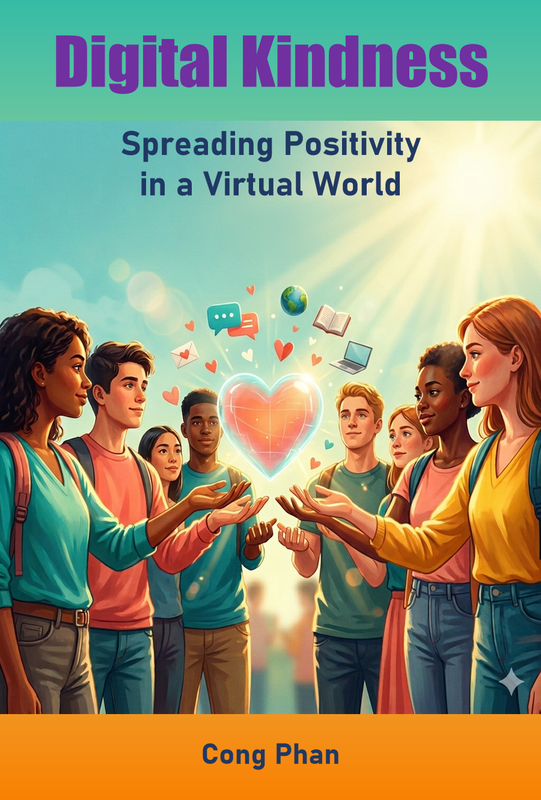
Digital Kindness
Spreading Positivity in a Virtual World

Chapter 1: The Power of Kindness
Kindness as a Universal Language
In a world increasingly dominated by digital interactions, kindness emerges as a universal language that transcends barriers of communication. Mark Twain’s insight that “Kindness is a language which the deaf can hear and the blind can see” illustrates the profound impact of simple acts of kindness. These gestures resonate deeply, highlighting the importance of empathy and understanding in our everyday lives. Whether through a smile, a supportive message, or a helping hand, kindness speaks volumes, making it accessible to all, regardless of their circumstances.
Acts of kindness in everyday life can transform not only individual experiences but also the culture within educational environments. By teaching empathy and encouraging students to engage in kind acts, educators can foster a supportive atmosphere that nurtures emotional intelligence. This approach not only enhances academic success but also equips students with essential life skills. As young adults prepare to enter the workforce, the lessons learned about kindness in education become invaluable, shaping them into compassionate leaders and collaborators.
The impact of kindness on mental health cannot be overstated. Engaging in kind acts releases endorphins, the brain’s natural mood lifters, promoting a sense of well-being and reducing stress. Young adults especially can benefit from this knowledge as they navigate the challenges of life, from academic pressures to social dynamics. By prioritizing kindness, individuals can create a positive feedback loop, where acts of generosity lead to improved mental health, which in turn inspires more kindness.
In the workplace, kindness plays a crucial role in building a positive culture. Companies that prioritize kindness experience higher employee satisfaction, increased productivity, and lower turnover rates. Emerging professionals should actively cultivate a culture of kindness within their teams, recognizing that collaboration flourishes in an environment where individuals feel valued and respected. This not only enhances workplace relationships but also drives innovation and creativity.
Volunteering and community service are powerful expressions of kindness that deepen connections within society. Young adults are uniquely positioned to make a difference through active participation in their communities. Whether through local initiatives or global outreach, these acts of service not only benefit those in need but also enrich the volunteers’ lives, fostering a sense of purpose and belonging. In a digital age, the essence of kindness remains timeless, reminding us that our actions, no matter how small, can create ripples of change that resonate far beyond our immediate surroundings.
The Ripple Effect of Small Acts
In a world increasingly driven by digital interactions, the smallest acts of kindness can create profound ripples that extend far beyond their initial impact. Just as a pebble tossed into a still pond creates waves that reach the shore, simple gestures, like a compliment or a supportive message, can resonate deeply with others. These acts serve as reminders that kindness is a universal language, understood by all, regardless of their circumstances. When we engage in acts of kindness, we not only uplift those around us but also inspire them to pay it forward, creating a chain reaction of positivity.
In the realm of education, teaching empathy through kindness can transform classroom dynamics. When students witness and participate in acts of kindness, it fosters a culture of respect and understanding. This is crucial for building a supportive learning environment, where everyone feels valued and heard. As young adults and emerging professionals, recognizing the importance of kindness in educational settings can equip you with the tools necessary to create inclusive spaces, both online and offline, that promote collaboration and growth.
The impact of kindness extends into mental health as well. Research shows that engaging in kind acts can boost our own happiness and well-being. By fostering connections through small, thoughtful gestures, we can combat feelings of isolation and depression that many young people face today. Kindness acts as a buffer against stress, reinforcing the idea that we are all in this together and that our actions can significantly influence our emotional state and the mental health of those around us.
In the workplace, kindness is essential for cultivating a positive culture. When employees support each other through small acts—like offering help or expressing gratitude—morale rises, leading to increased productivity and job satisfaction. As emerging professionals, embracing kindness in your career can set the stage for meaningful relationships and a collaborative work environment. This approach not only enhances individual experiences but also contributes to the overall success of the organization.
Lastly, volunteering and community service embody the essence of kindness in action. By dedicating time to help others, you not only improve the lives of those in need but also enrich your own. These experiences forge connections across diverse cultures and backgrounds, highlighting the shared humanity that unites us all. As you embark on your journey into the professional world, remember that every small act of kindness contributes to a larger movement of compassion and understanding, making both the digital and real world a better place for all.
Chapter 2: Acts of Kindness in Everyday Life
Simple Gestures that Make a Difference
In our fast-paced digital world, simple gestures can have a profound impact. A quick message of encouragement or a heartfelt compliment can uplift someone’s day and foster a sense of connection. These small acts of kindness, often overlooked, are powerful tools that can transform our interactions and create a more positive environment, whether online or offline. Kindness is not just an action; it is a language that transcends barriers, reminding us of our shared humanity.
One effective way to spread kindness is through acts of appreciation. Acknowledging someone’s efforts, whether a colleague’s hard work on a project or a friend’s support during tough times, can strengthen relationships. This simple gesture can encourage a culture of gratitude and positivity, making individuals feel valued. The ripple effect of such recognition can lead to a more supportive and harmonious community, where kindness becomes a norm rather than an exception.
In educational settings, teaching empathy through kindness can create a nurturing atmosphere for students. Simple gestures, like sharing resources or helping a classmate understand a difficult topic, not only enhance learning but also foster collaboration and respect. As young adults and emerging professionals, embracing kindness in education equips us with the emotional intelligence needed for future workplaces, where cooperation and understanding are essential for success.
Moreover, the impact of kindness extends to mental health. Acts of kindness can significantly improve one’s mood and outlook on life. Engaging in simple gestures like volunteering or offering a listening ear can help combat feelings of loneliness and anxiety. Understanding the psychological benefits of kindness encourages us to integrate these practices into our daily lives, reinforcing the connection between our actions and our mental well-being.
Finally, as we navigate a world dominated by technology, we must remember that kindness can thrive in the digital age. Sharing uplifting posts, supporting others in online communities, and using technology to connect rather than isolate can spread positivity far and wide. Simple gestures in our virtual interactions can resonate deeply, proving that even in the vastness of the internet, kindness remains a powerful force for good.
Creating a Kindness Habit
Creating a habit of kindness is essential in today’s fast-paced digital world. Young adults and emerging professionals often find themselves navigating complex social landscapes, where empathy may take a back seat to competition and self-interest. By consciously choosing to practice kindness daily, we can reshape our interactions and cultivate a more positive environment around us. This habit not only enhances our personal relationships but also contributes to a greater sense of community and belonging.
Acts of kindness can be as small as a compliment or as significant as volunteering for a community project. These actions create ripples of positivity that can influence others, encouraging them to spread kindness in return. When kindness becomes a regular part of our lives, it fosters an atmosphere of empathy and support, which is particularly important in educational settings. Students who engage in acts of kindness often experience greater emotional well-being and improved academic performance, as they learn to value collaboration over competition.
The impact of kindness extends beyond individual interactions; it can profoundly affect mental health. Studies have shown that both giving and receiving kindness can lead to reduced levels of stress and anxiety. Young adults, who often face pressures related to career and life transitions, can find solace in the simple act of being kind. By making kindness a habit, we not only uplift ourselves but also create a supportive network that enhances our overall mental health.
In the workplace, cultivating a culture of kindness is crucial for team dynamics and productivity. When colleagues engage in acts of kindness, it fosters trust and collaboration, leading to a more harmonious work environment. Young professionals entering the workforce can set a strong precedent by prioritizing kindness in their daily interactions, thereby influencing the organizational culture positively. This not only enhances job satisfaction but also encourages innovation and creativity among team members.
Finally, kindness transcends cultural boundaries and can be expressed in myriad ways. By exploring global perspectives on kindness, we can appreciate the diverse ways that compassion is manifested around the world. Embracing kindness as a universal language not only enriches our personal lives but also connects us to a larger human experience. As we develop the habit of kindness, we create a legacy of empathy and compassion that inspires future generations to carry on the tradition of spreading positivity in an ever-evolving digital landscape.
Chapter 3: Kindness in Education: Teaching Empathy
Building Emotional Intelligence
Building emotional intelligence is essential for young adults navigating the complexities of a digital world. It involves recognizing and understanding our own emotions and those of others, which can significantly enhance our ability to connect and communicate. In a society where interactions often occur through screens, developing this skill can foster more meaningful relationships and encourage acts of kindness that might otherwise go unnoticed. Just as Mark Twain suggests, kindness transcends barriers, making emotional intelligence a vital tool in our quest to spread positivity.
Practicing empathy is a cornerstone of emotional intelligence and can be cultivated through everyday acts of kindness. By actively listening to others and considering their perspectives, we can create an environment where everyone feels valued and understood. In educational settings, teaching empathy can transform classrooms into spaces of support and collaboration, empowering students to express kindness not just in words, but in actions. These small gestures can have profound impacts on mental health, helping to build resilience and a sense of belonging among peers.
In the workplace, emotional intelligence plays a crucial role in shaping a positive culture. When emerging professionals embrace kindness, they contribute to an atmosphere that promotes collaboration and innovation. This not only enhances team dynamics but also leads to greater job satisfaction and productivity. Understanding the emotional needs of colleagues can foster a supportive network, encouraging individuals to thrive and share their unique talents in a nurturing environment.
Community service and volunteering are powerful expressions of kindness that enhance emotional intelligence. Engaging with diverse groups exposes individuals to different life experiences and challenges, expanding their understanding of the world. These activities not only benefit those in need but also enrich the lives of the volunteers, reinforcing their capacity for compassion and empathy. As they connect with others, they learn to appreciate the common humanity that binds us all, regardless of background or circumstance.
Finally, kindness in the digital age requires a thoughtful approach to technology. By using social media and digital platforms to share positive messages and acts of kindness, young adults can amplify the impact of their emotional intelligence. These online interactions can foster a global community dedicated to spreading goodness, proving that kindness is indeed a universal language. As we navigate the complexities of life in a virtual world, let us remember to cultivate our emotional intelligence, ensuring that our words and actions reflect the kindness we wish to see in the world.
Incorporating Kindness into Curriculum
Incorporating kindness into the curriculum is essential for nurturing a compassionate generation. Kindness, often described as a universal language, transcends barriers and fosters connections among students. By integrating kindness into educational settings, we can create an environment that not only enhances academic performance but also cultivates empathy and understanding. This approach encourages students to engage with one another positively, promoting a culture of respect and support in schools.
One effective method of embedding kindness into the curriculum is through dedicated lessons on empathy and social responsibility. Educators can design activities that encourage students to participate in acts of kindness, whether through group projects, community service, or peer mentoring. Such experiences allow students to practice kindness in real-world contexts, reinforcing the importance of helping others and contributing to society. By making kindness a core aspect of the learning experience, we empower students to become more compassionate individuals.
Furthermore, the impact of kindness on mental health is profound. Research indicates that engaging in acts of kindness can lead to increased happiness and reduced stress levels. By teaching students the psychological benefits of kindness, we can inspire them to be kind to others and to themselves. This self-compassion is crucial for fostering resilience and emotional well-being, particularly in the fast-paced digital world where young adults often face immense pressure.
In addition to its benefits for mental health, kindness in education helps build a positive culture within the classroom and beyond. When kindness is prioritized, it creates a supportive atmosphere where students feel safe to express themselves and explore their ideas. This positive environment encourages collaboration and innovation, essential qualities for success in both academic and professional settings. As students transition into emerging professionals, the kindness they practice in school will shape their interactions in the workplace.
Finally, kindness can be amplified through technology, making it an integral part of the digital age. Educators can leverage social media and online platforms to promote kindness campaigns and virtual volunteering opportunities. By using technology as a tool for spreading positivity, students can connect with diverse communities and learn about kindness from a global perspective. This not only enhances their understanding of different cultures but also reinforces the idea that kindness is a powerful force capable of uniting people across the world.
Chapter 4: The Impact of Kindness on Mental Health
Kindness as a Stress Reliever
In a world that often feels overwhelming, practicing kindness can serve as a powerful antidote to stress. Young adults and students, who frequently encounter academic pressures and social challenges, can find solace in simple acts of kindness. Whether it’s a compliment to a peer or helping someone in need, these actions not only uplift others but also create a positive feedback loop that enhances one’s own mental well-being. As Mark Twain eloquently said, kindness is a universal language, resonating with everyone, regardless of their circumstances.
Acts of kindness in everyday life can significantly reduce feelings of anxiety and stress. Engaging in kind behaviors, such as volunteering or offering support to friends, shifts our focus away from our own worries. This shift not only fosters a sense of community but also contributes to a deeper connection with others. Research has shown that when we engage in kind acts, our brains release endorphins, which are natural stress relievers. Thus, kindness becomes a dual blessing, benefiting both the giver and the receiver.
In educational settings, teaching empathy and kindness can create a more supportive atmosphere for students. When kindness is prioritized, students feel safer and more valued, which can lead to improved mental health and academic performance. Schools that integrate kindness into their curricula often report higher levels of student engagement and lower instances of bullying. This nurturing environment not only promotes individual well-being but also fosters collaboration and respect among peers.
The workplace also stands to gain from a culture of kindness. Emerging professionals who embrace kindness in their interactions are more likely to build strong networks and positive relationships. A kind workplace encourages open communication and teamwork, which can alleviate stress and enhance productivity. By prioritizing kindness, organizations cultivate an environment where employees feel appreciated and motivated, ultimately leading to a more harmonious and efficient workplace.
As we explore global perspectives on kindness, it’s clear that this virtue transcends cultural boundaries. Across cultures, kindness is celebrated as a fundamental human value, reinforcing social bonds and enhancing collective well-being. By embracing and spreading kindness, especially in our digital interactions, we contribute to a more compassionate world. In this age of connectivity, let us harness the power of kindness as a vital stress reliever, offering ourselves and others the gift of positivity and hope.
Fostering Resilience Through Compassion
In a world where challenges seem to multiply, fostering resilience through compassion is more vital than ever. Young adults and emerging professionals face a myriad of pressures, from academic expectations to the complexities of navigating social relationships. By cultivating a compassionate mindset, individuals can not only support themselves but also uplift those around them. Acts of kindness, whether small or significant, create ripples of positivity that build a community resilient enough to withstand the toughest storms.
Compassion is a powerful tool in education, where teaching empathy can transform classrooms into nurturing environments. When students learn to understand and share the feelings of others, they develop critical emotional intelligence that benefits their mental health. This supportive atmosphere encourages collaboration and reduces anxiety, allowing students to thrive academically and personally. By fostering kindness in educational settings, we prepare young minds to face future challenges with grace and resilience.
In the workplace, kindness can reshape company culture, promoting a positive environment that enhances productivity and employee satisfaction. When kindness is prioritized, team members feel valued and understood, leading to stronger collaborations and innovative solutions. Employers who encourage acts of kindness not only boost morale but also cultivate resilience in their workforce, enabling them to overcome obstacles together. This interconnectedness fosters a sense of belonging and loyalty, essential components in today’s fast-paced professional landscape.
Volunteering and community service are tangible expressions of kindness that allow young people to connect with others and contribute to their communities. Engaging in acts of service not only helps those in need but also fosters a sense of purpose and fulfillment within the volunteers. These experiences build resilience by exposing individuals to diverse perspectives and challenges, ultimately enriching their understanding of the world. The act of giving back cultivates a cycle of kindness that strengthens community bonds and enhances collective resilience.
In a digital age, spreading kindness through technology opens new avenues for compassion. Online platforms can serve as powerful tools for promoting positive messages and connecting individuals across the globe. By sharing stories of kindness and supporting one another through social media, young adults can create a virtual community that mirrors the resilience found in face-to-face interactions. This digital kindness can inspire a movement, encouraging more individuals to embrace compassion as a fundamental value in their lives, both online and offline.
Chapter 5: Kindness in the Workplace: Building a Positive Culture
Leading with Kindness
In a world increasingly defined by technology and digital interactions, leading with kindness has never been more crucial. Young adults and emerging professionals are often at the forefront of this digital landscape, where the ability to engage with empathy can foster deeper connections. Mark Twain once said, "Kindness is a language which the deaf can hear and the blind can see," and this sentiment rings true in our virtual exchanges. Acts of kindness, whether through supportive messages or community initiatives, can significantly enhance our interactions and create a more positive online environment.
Education plays a vital role in cultivating a culture of kindness. By incorporating lessons on empathy and altruism into curricula, we can teach young people the importance of compassion in their daily lives. Kindness in education not only benefits the recipients but also enriches the giver, reinforcing a sense of community and shared responsibility. When students learn to appreciate diverse perspectives, they become better equipped to lead with kindness in their personal and professional lives.
The impact of kindness extends beyond immediate social interactions; it also profoundly affects mental health. Studies have shown that acts of kindness can reduce stress, improve mood, and enhance overall well-being. For young adults navigating the pressures of academia and early careers, embracing kindness can be a powerful tool for resilience. By fostering a culture in which kindness is prioritized, individuals can create supportive environments that uplift everyone involved.
In the workplace, leading with kindness contributes to building a positive culture. Employers and employees alike benefit from an atmosphere where kindness is valued. Encouraging teamwork, celebrating achievements, and recognizing individual efforts can create a harmonious work environment that promotes productivity and satisfaction. As emerging professionals, understanding the significance of kindness in career settings can set the tone for future generations and redefine workplace dynamics.
Finally, kindness transcends cultural boundaries, offering a universal language that connects people across the globe. Whether through volunteering or engaging in community service, acts of kindness can bridge divides and foster understanding among diverse populations. In an increasingly interconnected world, embracing kindness not only enriches our own lives but also contributes to a more compassionate society. By leading with kindness, we can inspire others to spread positivity and create lasting change in our communities and beyond.
Encouraging Supportive Team Dynamics
In today's digital landscape, fostering supportive team dynamics is essential for young adults, students, and emerging professionals. Embracing kindness as a foundational principle can significantly enhance collaboration and communication among peers. When team members support each other, they create an environment where everyone feels valued and motivated to contribute their best. This supportive atmosphere not only leads to improved outcomes but also nurtures lasting relationships that extend beyond professional boundaries.
Acts of kindness, whether through simple gestures or thoughtful acts, play a pivotal role in encouraging positive interactions. When individuals take the time to acknowledge each other's efforts, it builds trust and camaraderie within the group. By practicing empathy and understanding, team members can better appreciate diverse perspectives, leading to innovative solutions and a more cohesive approach to problem-solving. This dynamic allows for a culture that celebrates collaboration rather than competition.
In educational settings, teaching kindness and empathy can have profound effects on students' development. Programs that promote supportive team dynamics encourage students to engage openly and respectfully with one another. As they learn to express kindness in their interactions, they develop crucial social skills that benefit them in their future careers. This foundation of empathy equips them to navigate the complexities of the workplace, where cooperation and mutual respect are paramount.
Moreover, the impact of kindness on mental health cannot be overstated. Supportive team dynamics create a buffer against stress and anxiety, allowing individuals to thrive both personally and professionally. When team members uplift each other, it fosters a sense of belonging and purpose. This positive reinforcement enhances well-being and cultivates a resilient workforce that can tackle challenges together, making the workplace a more enjoyable space for everyone.
Lastly, kindness in the digital age offers unique opportunities to spread positivity and support among peers. Social media platforms and online communities can serve as powerful tools for encouraging supportive team dynamics. By sharing uplifting messages, acknowledging achievements, and offering assistance, individuals can create a ripple effect of kindness that transcends geographical boundaries. This collective effort not only enriches individual experiences but also contributes to a culture of kindness that empowers everyone involved.
Chapter 6: Volunteering and Community Service as Expressions of Kindness
Finding Opportunities to Serve
In the fast-paced digital age, finding opportunities to serve others can sometimes feel overwhelming, yet it's within our reach. Each day, we encounter countless chances to express kindness, whether through simple gestures like offering a listening ear or larger commitments such as volunteering our time. Mark Twain once said, "Kindness is a language which the deaf can hear and the blind can see," reminding us that acts of kindness transcend barriers and have the power to uplift individuals in profound ways. As young adults and emerging professionals, recognizing these opportunities is crucial for fostering a compassionate community.
Acts of kindness in everyday life can take many forms, from helping a classmate understand a difficult concept to supporting a friend through a tough time. In educational settings, kindness not only enhances relationships but also promotes a culture of empathy and understanding. By actively participating in kindness, students can contribute to a positive learning environment where everyone feels valued and respected. This culture of kindness can lead to improved mental health outcomes, as individuals feel more connected and supported in their journeys.
In the workplace, fostering kindness can be just as impactful. Young professionals have the opportunity to create a positive culture by encouraging collaboration and open communication. Simple acts, like acknowledging a colleague's hard work or providing assistance on a project, can significantly enhance team morale and productivity. Furthermore, as organizations increasingly recognize the importance of mental well-being, cultivating a kind atmosphere can lead to happier, more engaged employees.
Volunteering and community service are powerful expressions of kindness that not only benefit those in need but also enrich our own lives. Engaging with diverse communities allows us to develop a deeper understanding of different cultures and perspectives. This exposure fosters compassion and encourages us to seek out opportunities to serve, whether through local initiatives or global outreach programs. By stepping outside our comfort zones, we can make meaningful connections and contribute positively to society.
Finally, technology plays a pivotal role in spreading kindness in the digital age. Social media platforms and online communities provide unique avenues for young adults to share acts of kindness and inspire others. From creating awareness campaigns to organizing virtual volunteer events, the potential for positive impact is immense. By harnessing the power of technology, we can amplify our efforts to serve and foster a global culture of kindness, ensuring that the language of kindness resonates throughout our interconnected world.
The Personal Benefits of Giving Back
Giving back to others is not just an altruistic act; it brings a wealth of personal benefits that can enhance one's life in numerous ways. For young adults and emerging professionals, engaging in acts of kindness can foster a sense of purpose and fulfillment. Whether it's volunteering at a local shelter or simply helping a classmate, these actions create a ripple effect of positivity that can significantly improve one's own mental well-being. Studies have shown that individuals who contribute to their communities often report higher levels of happiness and lower levels of stress, making kindness a powerful tool for personal growth.
Moreover, the act of giving back cultivates essential social skills that are crucial in both personal and professional settings. By interacting with diverse groups of people through community service or collaborative projects, young adults can develop empathy and improve their communication skills. These experiences not only enrich their understanding of different perspectives but also prepare them for a more compassionate workplace environment. In an age where emotional intelligence is highly valued, practicing kindness equips them with the necessary tools to thrive in any career.
In addition to enhancing interpersonal skills, acts of kindness can also provide valuable networking opportunities. Engaging in community service often leads to connections with like-minded individuals and organizations that share the same values. These relationships can open doors to mentorships, internships, and job opportunities, ultimately aiding career advancement. The friendships forged through shared experiences in giving back can lead to a robust support system that encourages personal and professional development.
Furthermore, participating in acts of kindness can significantly improve one's mental health. Engaging in altruistic behaviors releases endorphins, which are neurotransmitters that promote feelings of happiness and euphoria. For young adults navigating the challenges of life, from academic pressures to social anxieties, this natural boost can be a game changer. The simple act of helping others not only combats feelings of loneliness and depression but also reinforces a positive self-image, creating a virtuous cycle of kindness and well-being.
Lastly, embracing the philosophy of giving back fosters a strong sense of community and connectedness. In a world that often feels fragmented, acts of kindness serve as reminders of our shared humanity. By participating in community initiatives, young adults can contribute to building a supportive environment that encourages collaboration and understanding. This collective spirit not only enriches individual lives but also strengthens the fabric of society as a whole, proving that kindness is indeed a language that transcends barriers and fosters unity.
Chapter 7: Kindness in Literature: Exploring Themes in Classic Works
Inspiring Characters and Their Acts of Kindness
In a world increasingly driven by technology, inspiring characters emerge as beacons of kindness, reminding us that small acts can create significant ripples. These individuals, whether they are public figures or everyday heroes, embody the essence of Mark Twain's belief that kindness transcends barriers. From educators who foster empathy in classrooms to colleagues who uplift their peers, these acts of kindness are powerful reminders of the positive impact we can have on one another's lives.
Consider the educators who integrate kindness into their teaching philosophy. They create environments where empathy flourishes, encouraging students to not only excel academically but also to be compassionate individuals. Through service projects and collaborative learning experiences, these teachers inspire young minds to understand the importance of kindness, shaping a generation that values connection over competition.
In workplaces around the globe, inspiring characters also take a stand for kindness, cultivating a positive culture that enhances both morale and productivity. Leaders who prioritize kindness foster an atmosphere of trust and respect, allowing employees to thrive. This ripple effect not only improves mental health but also creates a supportive community where everyone feels valued and empowered to contribute.
Volunteering and community service serve as powerful expressions of kindness, with inspiring individuals dedicating their time and resources to uplift others. Whether it's through participating in local food drives, mentoring youth, or cleaning up parks, these acts of generosity bring people together and strengthen community bonds. They remind us that kindness knows no boundaries, and every effort, no matter how small, can make a difference.
Finally, kindness is a universal theme found in literature across cultures. Stories of heroes who exemplify compassion resonate with readers, illustrating that kindness is a timeless virtue. These narratives not only entertain but also encourage readers to reflect on their own actions and the potential they have to effect change. As we embrace the lessons of inspiring characters, we reaffirm our commitment to spreading positivity in our digital world, ensuring that kindness becomes a language spoken by all.
Lessons Learned from Literature
Literature has long served as a mirror reflecting the complexities of human kindness. In the words of Mark Twain, "Kindness is a language which the deaf can hear and the blind can see." This profound statement encapsulates the essence of kindness as an intrinsic human value, transcending barriers and resonating across generations. Classic literary works often reveal the importance of empathy and compassion, reminding us that acts of kindness, no matter how small, can have a significant impact on our lives and those around us.
In educational settings, literature not only teaches academic content but also fosters emotional intelligence. By exploring characters who demonstrate kindness and empathy, students can learn vital lessons about human connection. The narratives found in literature encourage young readers to cultivate their own compassionate behaviors, ultimately shaping a more empathetic generation. This teaching of kindness through literature is essential in nurturing the emotional well-being of students and instilling a sense of responsibility toward others.
Research highlights the profound effects kindness has on mental health, emphasizing that both giving and receiving kindness can lead to increased happiness and reduced stress. Literature often illustrates these themes, providing relatable experiences that resonate with readers. When characters act with kindness, they inspire readers to reflect on their own actions and the potential for positive change in their lives and communities. The psychological benefits of kindness, as depicted in various literary works, encourage a collective commitment to spreading positivity.
Moreover, the workplace can greatly benefit from the principles of kindness found in literature. Creating a positive culture where kindness is valued leads to improved collaboration and morale among coworkers. By drawing lessons from literary characters who exemplify kindness and teamwork, emerging professionals can better understand the significance of nurturing supportive environments. This understanding not only enhances productivity but also cultivates a sense of belonging and purpose in professional settings.
Finally, the themes of kindness explored in literature are universal and cross-cultural, illustrating that the desire for connection and compassion is a shared human experience. Whether through volunteering, community service, or simple acts of generosity, literature encourages individuals to embrace kindness as a way of life. As young adults, students, and emerging professionals navigate the digital age, they can draw inspiration from literary works to spread goodness and kindness, creating a more compassionate world.
Chapter 8: Kindness Across Cultures: Global Perspectives
Understanding Kindness in Different Societies
Kindness manifests in diverse ways across different societies, reflecting the unique values and traditions inherent in each culture. In many communities, small acts of kindness, such as greeting neighbors or offering help to those in need, are integral to daily interactions. These gestures not only strengthen communal bonds but also create an environment where empathy and understanding flourish. For young adults and emerging professionals, recognizing these cultural expressions of kindness can enhance their social skills and improve interpersonal relationships in both personal and professional settings.
In educational contexts, kindness plays a pivotal role in teaching empathy and fostering a supportive learning environment. Schools that emphasize kindness often see improved student behavior and academic performance. Programs focused on kindness encourage students to practice empathy not only towards their peers but also towards themselves. As young adults navigate the complexities of their futures, embracing kindness as a foundational principle can lead to more compassionate leadership and collaboration in their careers.
The impact of kindness extends beyond immediate social interactions; it significantly influences mental health and well-being. Research shows that engaging in acts of kindness can boost happiness and reduce stress. For students and young professionals, understanding the psychological benefits of kindness can inspire them to cultivate positivity both in themselves and in their communities. This awareness can serve as a powerful tool in managing the challenges that come with adolescence and early adulthood.
Kindness also plays a crucial role in the workplace, where creating a positive culture is essential for productivity and employee satisfaction. Organizations that prioritize kindness often see lower turnover rates and higher levels of employee engagement. For emerging professionals, fostering a culture of kindness within their teams can lead to enhanced collaboration and innovation. Learning to navigate workplace dynamics with kindness can set them apart as leaders and collaborators, making a lasting impact on their careers.
Globally, the theme of kindness transcends borders, with many cultures celebrating it through literature, community service, and volunteerism. Engaging in acts of kindness can bridge cultural gaps and create a sense of unity in an increasingly digital world. For young adults, participating in community service not only contributes to societal well-being but also enriches their own lives through meaningful connections. By understanding the universal language of kindness, they can become advocates for positive change, both locally and globally.
Celebrating Cultural Expressions of Compassion
In our interconnected world, cultural expressions of compassion serve as powerful reminders of the kindness that transcends boundaries. From heartfelt gestures in community gatherings to artistic renditions in literature and performance, these expressions resonate with universal themes of empathy and understanding. Young adults, students, and emerging professionals can draw inspiration from these diverse cultural affirmations, reinforcing the notion that kindness is indeed a global language.
Acts of kindness can be found in everyday life, often in the most unexpected places. Whether it is through volunteering at local shelters or participating in community service projects, young individuals have the opportunity to engage with their communities and make a tangible impact. These experiences not only foster a sense of belonging but also highlight the importance of compassion as a vital component of personal growth and social responsibility.
Education plays a crucial role in nurturing empathy among youth. By incorporating kindness into the curriculum, educators empower students to explore the significance of compassion in their lives and communities. This approach not only enhances emotional intelligence but also equips future professionals with the skills needed to create positive work environments, where kindness is recognized as a fundamental asset.
Exploring kindness across cultures reveals a rich tapestry of practices and beliefs that celebrate compassion. From traditional storytelling to modern social media campaigns, these cultural expressions highlight the shared human experience of caring for one another. Understanding these diverse perspectives not only broadens our worldview but also reinforces the idea that kindness is a timeless value, relevant in any era or location.
Finally, the intersection of kindness and technology presents a unique opportunity for spreading positivity in the digital age. Social platforms serve as a canvas for individuals to share their stories of kindness, inspiring others to follow suit. By harnessing the power of technology, young adults can amplify acts of compassion, creating ripple effects that reach far beyond their immediate circles and ultimately contributing to a kinder, more empathetic world.
Chapter 9: The Science of Kindness: Psychological and Physiological Benefits
The Neuroscience of Kindness
Kindness has a profound impact on the brain, activating neural pathways that promote feelings of happiness and connection. When we engage in acts of kindness, whether it’s helping a friend or volunteering, our brains release neurotransmitters such as oxytocin and serotonin. These chemicals not only enhance our mood but also foster a sense of belonging and community, making kindness a vital element in our social interactions. Understanding this neuroscience allows young adults and students to appreciate the deeper effects their actions can have on themselves and others.
Moreover, kindness plays a significant role in mental health, particularly in stressful environments such as schools and workplaces. Acts of kindness can serve as a buffer against anxiety and depression, encouraging a positive outlook on life. For emerging professionals, cultivating a culture of kindness can lead to improved mental well-being, which is essential for personal success and productivity. By promoting kindness in everyday interactions, individuals can create a more supportive and resilient community.
In educational settings, teaching empathy through kindness can lead to transformative experiences for students. When young people learn to engage in kind behaviors, they not only enhance their emotional intelligence but also improve their relationships with peers. Programs that emphasize kindness and empathy can significantly reduce bullying and foster a more inclusive atmosphere, leading to better academic outcomes and social cohesion.
Volunteering and community service are also powerful expressions of kindness that have lasting effects on both the giver and the receiver. Engaging in these activities not only benefits those in need but also reinforces the values of compassion and responsibility among young adults. By participating in community service, individuals can experience the joy that comes from helping others, creating a cycle of kindness that spreads through social networks and beyond.
Lastly, kindness is a universal language that transcends cultural boundaries, highlighting the shared human experience. Exploring themes of kindness in literature and art reveals how different cultures express compassion and empathy. This global perspective fosters a deeper understanding and appreciation of kindness as a fundamental aspect of human nature, encouraging young adults to integrate kindness into their daily lives and professional endeavors, especially in our increasingly digital world.
Kindness and Well-Being
In a world where digital interactions often overshadow face-to-face connections, the essence of kindness takes on new dimensions. Mark Twain's assertion that "Kindness is a language which the deaf can hear and the blind can see" resonates deeply, especially among young adults and emerging professionals navigating the complexities of a digital landscape. Acts of kindness, whether simple gestures or grand gestures, can significantly enhance our daily lives and foster a sense of belonging. By embracing kindness as a core value, we can create a ripple effect that uplifts not only ourselves but also those around us.
In educational settings, teaching empathy and kindness becomes crucial in shaping compassionate individuals. When students learn to recognize and respond to the feelings of others, they develop essential interpersonal skills that translate into their future careers. Incorporating kindness into curricula not only enhances academic performance but also contributes to a supportive learning environment where everyone thrives. Educators play a pivotal role in modeling kindness, which sets a powerful example for students to follow.
The mental health benefits of kindness cannot be overstated. Engaging in acts of kindness triggers the release of endorphins, often referred to as the "helper's high." This physiological response can alleviate stress and improve overall well-being. Young adults facing the pressures of school, work, and personal life can find solace in the practice of kindness, as it not only helps others but also nurtures their own mental health. By making kindness a priority, individuals can cultivate resilience and cope more effectively with life's challenges.
In the workplace, fostering a culture of kindness leads to improved morale and productivity. Organizations that prioritize kindness create an environment where employees feel valued and respected, which translates into better collaboration and innovation. Young professionals entering the workforce can advocate for kindness as a fundamental aspect of workplace culture, encouraging their peers to support one another in both successes and setbacks. This commitment to kindness lays the foundation for a positive and thriving organizational climate.
Volunteering and community service act as powerful expressions of kindness, allowing individuals to connect with their communities meaningfully. By dedicating time to help others, young adults not only contribute to societal well-being but also enrich their own lives through shared experiences and diverse perspectives. The benefits of kindness extend beyond the immediate act; they foster a sense of purpose and fulfillment that enhances personal growth. In a world that often feels disconnected, embracing kindness offers a path toward greater empathy and understanding across cultures and generations.
Chapter 10: Kindness in Parenting: Raising Compassionate Children
Modeling Kindness for Future Generations
Modeling kindness for future generations is not just an act; it is a vital responsibility that we hold as individuals and communities. In a world increasingly dominated by digital interactions, the essence of kindness can often get lost amidst the noise. By embodying and demonstrating acts of kindness in our daily lives, we create a ripple effect that can inspire young adults, students, and emerging professionals to embrace positivity and compassion. Mark Twain aptly stated, "Kindness is a language which the deaf can hear and the blind can see," reminding us that the impact of our actions transcends barriers and resonates deeply with others.
In educational settings, the teaching of empathy and kindness can shape a generation that values understanding and compassion. When kindness is integrated into curricula, students learn not only to be kind but also to recognize the significance of their actions in fostering a supportive environment. Acts of kindness, whether through small gestures or community service, empower young individuals to connect with one another on a deeper level, reinforcing the idea that every act, no matter how small, contributes to a larger culture of kindness.
The mental health benefits of kindness are profound and far-reaching. Research shows that engaging in acts of kindness can lead to enhanced well-being, reduced stress, and increased happiness. As emerging professionals navigate the complexities of their careers, fostering a culture of kindness in the workplace becomes essential. By modeling kindness, they can create an atmosphere where collaboration and support thrive, ultimately leading to a more productive and positive work environment.
Moreover, kindness is not limited to personal interactions; it extends into the digital realm as well. In today's technology-driven world, spreading goodness online is more crucial than ever. Young adults and students can leverage social media platforms to promote positivity, share inspiring stories, and connect with others around the globe. This digital kindness can have a lasting impact, teaching future generations the importance of compassion and understanding in both their offline and online lives.
In conclusion, modeling kindness for future generations is a multifaceted endeavor that encompasses education, mental health, and the digital landscape. By actively practicing kindness and encouraging others to do the same, we can cultivate a world where empathy and compassion flourish. As young adults, students, and emerging professionals, the responsibility lies with you to lead by example, ensuring that kindness becomes a fundamental aspect of our shared humanity and a legacy for those who come after us.
Encouraging Empathy in Daily Interactions
In our fast-paced digital world, fostering empathy in daily interactions is more crucial than ever. Young adults, students, and emerging professionals often communicate through screens, where the nuances of face-to-face interactions can be lost. Encouraging empathy means being mindful of how our words and actions affect others, even in virtual spaces. It starts with recognizing that behind every screen, there is a real person with feelings, experiences, and challenges. Practicing kindness in our online presence can create ripples of positivity that extend beyond our immediate circles.
One way to cultivate empathy is by actively listening to others. This involves engaging with their stories and perspectives without rushing to respond or judge. In conversations, whether in person or online, taking the time to understand where someone is coming from can transform interactions. It creates a safe environment where individuals feel valued and heard. This practice not only enhances our relationships but also contributes to a culture of kindness, encouraging others to reciprocate.
Acts of kindness can also be integrated into our daily routines. Simple gestures, such as complimenting a peer, offering help with a task, or expressing gratitude, can significantly impact someone's day. These small acts remind us of our shared humanity and the importance of uplifting one another. In educational settings, incorporating kindness-focused activities can teach students the value of empathy and teamwork, preparing them for compassionate leadership in their future careers.
Moreover, the mental health benefits of kindness should not be overlooked. Engaging in kind acts can boost our mood and reduce feelings of isolation. When we practice empathy, we not only support others but also enhance our well-being. It's a powerful cycle: by spreading kindness, we create a more supportive community, which in turn fosters greater emotional resilience among its members. This is especially vital for young adults navigating the pressures of school and work.
Finally, technology can serve as a tool to spread kindness rather than detract from it. Social media platforms can be used to highlight positive stories, share uplifting messages, and organize community service initiatives. By leveraging our digital presence for good, we can inspire others to join in the movement of kindness. Ultimately, encouraging empathy in our daily interactions enriches our lives and cultivates a culture of compassion that resonates across all aspects of society.
Chapter 11: Kindness and Technology: Spreading Goodness in the Digital Age
Positive Online Interactions
In today's digital world, positive online interactions are more important than ever. With the click of a button, we can connect with friends, family, and even strangers across the globe. However, this interconnectedness also brings the responsibility to communicate with kindness and empathy. As young adults navigating this virtual landscape, it is essential to understand the impact our words and actions can have on others. A simple act of kindness online can resonate far beyond the screen, creating a ripple effect of positivity.
Acts of kindness in everyday life can easily transition into our online interactions. Whether it's leaving a supportive comment on a friend's post, sharing uplifting content, or reaching out to someone in need, these small gestures can brighten someone's day. Kindness in education is particularly relevant, as students and emerging professionals learn not only to excel academically but also to foster a culture of empathy. By promoting positive interactions in educational settings, we can cultivate an environment where everyone feels valued and understood.
The impact of kindness on mental health cannot be overstated. Engaging in positive online interactions can enhance our well-being, reduce stress, and promote a sense of belonging. When we share kindness, we also contribute to our own emotional resilience. This creates a win-win situation where both the giver and the receiver benefit from the exchange. At the workplace, building a positive culture through kindness can lead to increased collaboration, creativity, and overall job satisfaction, further demonstrating the profound effects of our digital behaviors.
Volunteering and community service are expressions of kindness that can also find their place online. Many organizations leverage social media to promote their initiatives, encouraging young adults to get involved and make a difference. By sharing our volunteer experiences, we not only inspire others to join but also highlight the importance of giving back to our communities. This global perspective on kindness fosters a sense of unity and encourages cross-cultural understanding, as we learn that kindness knows no borders.
In conclusion, kindness and technology can work hand in hand to spread goodness in the digital age. By embracing positive online interactions, we can create a supportive network that uplifts and empowers one another. As we continue to navigate this virtual world, let us remember Mark Twain's words: "Kindness is a language which the deaf can hear and the blind can see." Let us speak this language fluently, ensuring that our online presence contributes to a more compassionate and kind world.
Leveraging Social Media for Good
In today’s digital age, social media has become a powerful tool for spreading kindness and positivity. Young adults and students can harness these platforms to share uplifting messages, support one another, and promote acts of kindness that resonate within their communities. By utilizing hashtags, sharing inspiring stories, or simply posting about their experiences, they can create a ripple effect that encourages others to engage in similar acts of benevolence. The beauty of social media lies in its ability to connect people from different backgrounds, allowing kindness to transcend geographical boundaries.
Acts of kindness shared on social media can have profound effects on mental health, both for the giver and the receiver. Research shows that participating in kind acts can increase feelings of happiness and satisfaction. For instance, when a young person shares a story about helping a neighbor or volunteering at a local charity, it not only uplifts the spirits of their followers but also fosters a supportive online community. This sense of belonging and encouragement can be especially vital for students navigating the challenges of academic life and personal growth.
Education plays a crucial role in teaching empathy and kindness. Social media can serve as a platform for educational institutions to promote initiatives that foster these values among students. By following organizations and educators who share resources about kindness and empathy, young adults can learn how to incorporate these principles into their daily lives. This engagement not only enhances their social consciousness but also helps to build a culture of kindness within schools and universities.
Additionally, kindness can be expressed through workplace culture, and social media can help young professionals create supportive networks. By sharing positive workplace experiences or advocating for mental health resources, they can inspire others to cultivate a similar environment in their own jobs. Highlighting the importance of kindness in professional settings fosters collaboration and enhances overall job satisfaction, leading to a more productive and harmonious workplace.
Finally, kindness knows no borders; it is a universal language that can be shared across cultures. Social media allows for the exploration and celebration of kindness in various cultural contexts. Young adults can engage with global perspectives on kindness, learning how different communities express compassion and support. This not only broadens their understanding of humanity but also inspires them to incorporate diverse acts of kindness into their own lives, creating a more interconnected and empathetic world.
Cong Phan — Professional, Inspirational Author Bio
Cong Phan is a former Digital Transformation Project Management professional who discovered that his greatest impact wasn’t made in boardrooms, but through the power of storytelling. After years of leading people through complex change, he recognized a universal truth: the qualities that shape successful adults—resilience, curiosity, courage, and the ability to rise after setbacks—are the same qualities young people need most as they navigate their own journeys.
Motivated by this insight, Cong shifted his career toward writing with a clear mission: to inspire teens, students, and emerging professionals at the moments they need encouragement most. His work blends motivational insight with real human stories of determination, showing readers that progress often begins with a single question and the willingness to keep moving when the path is uncertain.
Cong writes with warmth, clarity, and deep respect for the next generation of thinkers, dreamers, and leaders. He believes every young person carries a spark of greatness—and that the right story, at the right time, can help that spark grow into confidence, purpose, and possibility.
Greenbamboo

Comments
No comments yet. Be the first to comment!